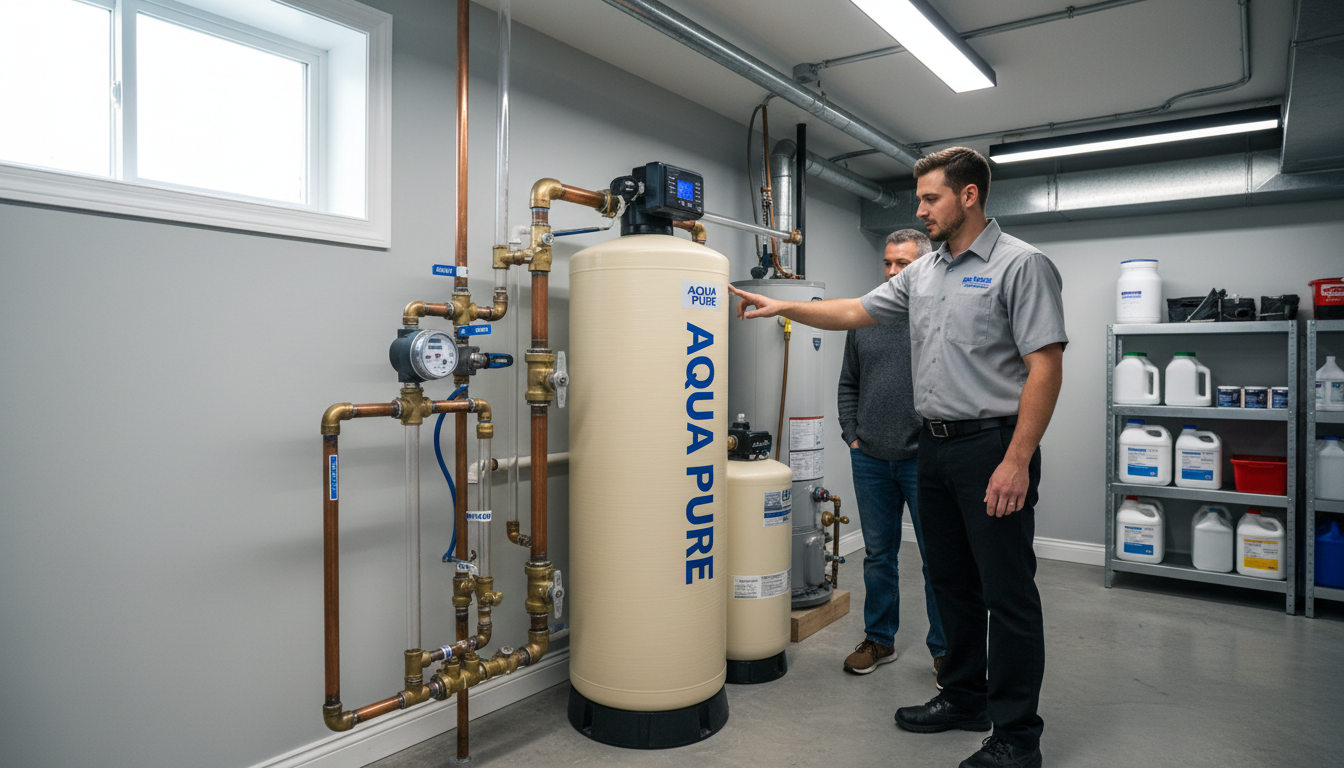
Professional water softener installation typically costs between $1,000 and $3,000; this investment protects Carbon County homes from costly mineral buildup in pipes and appliances. By removing hard water minerals, these systems prevent limescale damage to water heaters and significantly improve the efficiency of your entire plumbing infrastructure.
Living in Carbon County often means dealing with the frustrating reality of hard water, from stubborn scale buildup on your fixtures to the itchy skin that follows every shower. These issues are more than just minor inconveniences; they represent a silent threat to your home's infrastructure. Over time, high mineral content corrodes pipes and drastically shortens the lifespan of your water heater, leading to expensive repairs that could have been avoided. At Keiths Plumbing, we believe that understanding your water quality is the first step toward protecting your investment. In this guide, we will break down the true costs of installation for 2024, explain the necessity of a proper softener loop, and help you decide between a DIY approach or professional expertise. You will also learn how to select the right system specifically designed to handle the unique water conditions found throughout Utah.
The Impact of Hard Water on Carbon County Plumbing Systems
Carbon County sits on a landscape defined by rugged sedimentary rock and mineral-heavy deposits. While this geology gives our region its unique character, it also means the water flowing into homes in Price, Helper, and Wellington carries high concentrations of dissolved calcium and magnesium. You likely notice the results every day. It shows up as a white, chalky film on glassware, stiff laundry that never feels quite clean, and crusty buildup on showerheads.
Beyond these daily frustrations, these minerals are actively clogging pipes and degrading appliances from the inside out. Many homeowners try to manage these symptoms with temporary fixes, such as soaking faucets in vinegar or using descaling chemicals. While these methods might clear local buildup for a week, they do nothing to address the root cause. A professional water softener installation is the only long-term solution to neutralize these minerals before they enter your internal plumbing. Relying on reliable residential plumbing services ensures your system is correctly integrated into your home infrastructure, providing a shield for your dishwasher, laundry machines, and pipes. If you are tired of scrubbing scale, contact Keiths Plumbing today to discuss a permanent fix for your home.
Signs Your Home Needs a Water Softener
Identifying the symptoms of mineral buildup is the first step toward protecting your plumbing. The most visible sign is limescale, the white, chalky crust that forms around faucet aerators and showerheads. This occurs because calcium and magnesium minerals are physically precipitating out of the water. As water evaporates or undergoes temperature changes, these dissolved minerals solidify, creating a rock-hard layer that is difficult to remove with standard cleaners.
You may also feel the effects of hard water on your body. High mineral content prevents soap and shampoo from lathering properly, often leaving a sticky film on the skin. This leads to persistent itchiness and dry, brittle hair after showering. Similarly, this mineral film is responsible for the stubborn spots on glassware and cloudy dishes that remain even after a full dishwasher cycle.
More concerning are the hidden signs, such as a gradual decrease in water pressure. As scale accumulates inside your copper or galvanized pipes, it restricts the flow of water, much like a clogged artery. If you hear popping or rumbling sounds coming from your tank, it is likely that sediment has already settled at the bottom, necessitating professional water heater maintenance. Investing in a water softener installation addresses these issues at the source, preventing minerals from ever entering your home's distribution system.
Water Softener Installation Cost Breakdown for 2024

Addressing the financial side of a water softener installation helps you prioritize a long-term solution for your home. In Carbon County, the total investment for a professional-grade system typically ranges from $1,000 to $3,000, including both the equipment and labor. While basic retail units may appear more affordable on the shelf, those prices often do not reflect the heavy-duty components needed to handle the significant mineral loads found in local municipal and well water.
Several specific factors determine where your final quote will land within that range:
Grain Capacity: This is the measure of how much hardness the unit can remove before it needs to regenerate. Larger families or homes with exceptionally hard water require higher capacity units, which increases the equipment cost.
Plumbing Infrastructure: If your home was built with a pre-plumbed water softener loop, labor costs generally fall between $200 and $600. If the system must be integrated into the main water line from scratch, the additional piping and drain work will increase the labor total.
Component Quality: Professional systems installed by Keiths Plumbing utilize high-grade resin and durable control valves designed for years of reliable service, whereas budget models often use thinner plastics that may fail prematurely under pressure.
Investing in a professional-grade system ensures the unit is correctly sized for your specific water usage and local hardness levels. When you contact Keiths Plumbing today, we provide a clear assessment of your home’s plumbing layout to ensure the installation meets local codes and provides maximum efficiency.
Does Hard Water Ruin Pipes and Water Heaters?
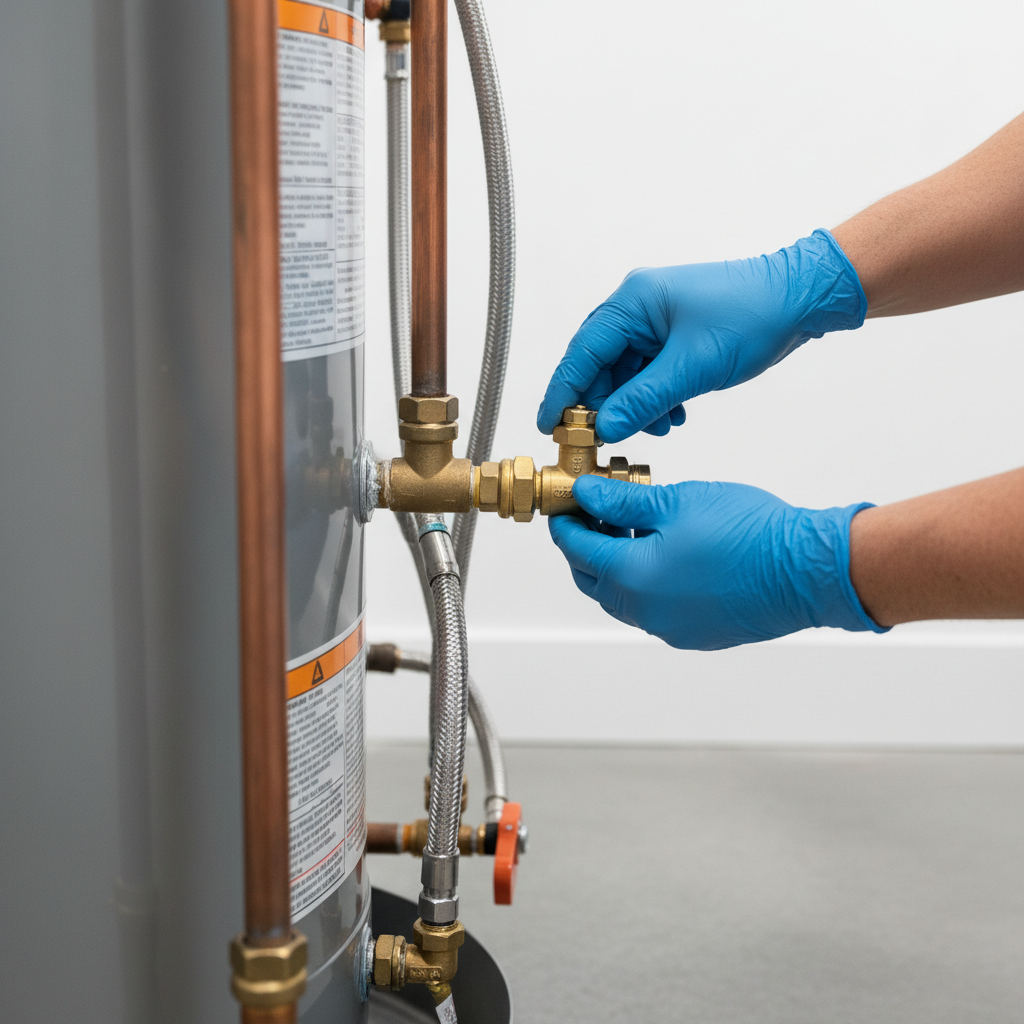
The short answer is yes; hard water is a primary cause of premature plumbing failure in Utah. When mineral-rich water flows through your pipes, calcium and magnesium solids adhere to the inner walls. In older galvanized steel pipes, this often accelerates internal corrosion. In copper systems, the scale builds up in layers, gradually narrowing the passage through which water flows. This restriction increases friction and puts unnecessary pressure on your entire system, eventually requiring expensive pipe replacement or rerouting.
The impact is even more severe on water heaters. As cold water enters a traditional tank and is heated, the minerals precipitate out and settle at the bottom. This creates a thick, stony layer of sediment that acts as an insulator between the heating element and the water. Your heater must run longer and hotter to penetrate this barrier, which spikes your monthly energy bills and causes the tank metal to fatigue and crack under the intense heat.
System Component | Impact of Hard Water | Long-Term Consequence |
|---|---|---|
Galvanized Pipes | Limescale narrowing | Reduced flow and internal corrosion |
Tank Water Heaters | Sediment insulation | Tank failure and high energy bills |
Tankless Heaters | Scale on heat exchanger | System shutdown and component damage |
A professional water softener installation provides a necessary shield for these expensive assets. By removing minerals before they reach your heater, you prevent the scale that clogs tankless heat exchangers and ruins traditional tanks. If you suspect your heater is already struggling with sediment, scheduling professional water heater maintenance can help clear the tank, but a softener is the only way to stop the cycle permanently. To protect your home infrastructure, contact Keiths Plumbing today for a system evaluation.
Water Softener Loop Installation: What You Need to Know
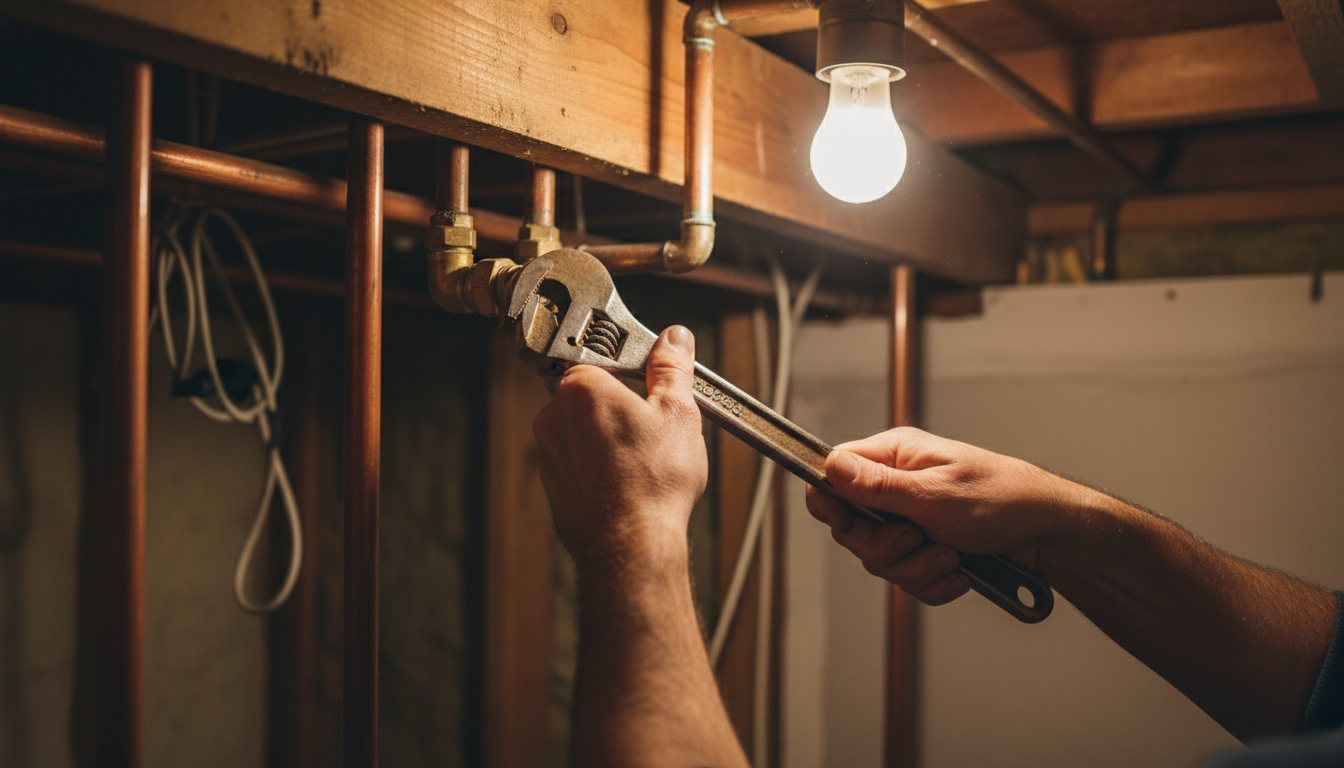
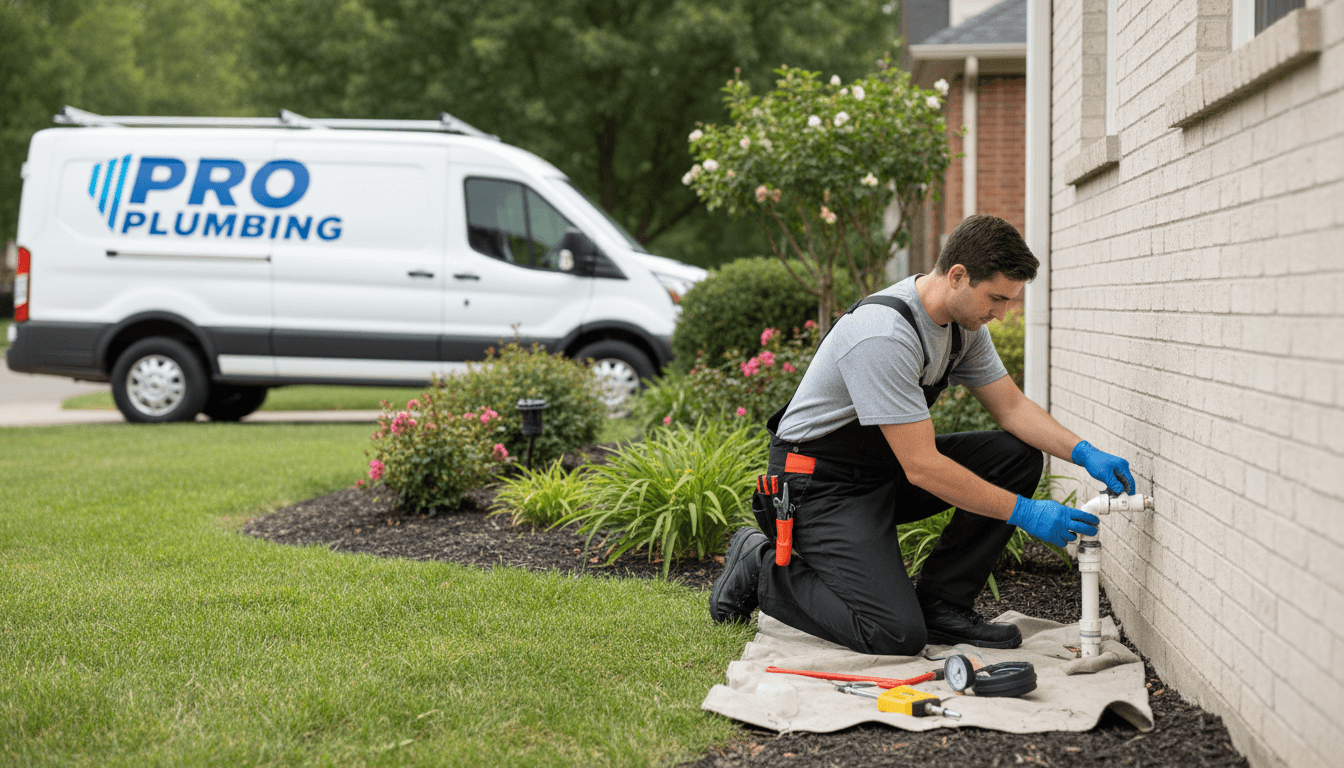
A water softener loop is a dedicated plumbing configuration that allows a treatment system to intercept the main water supply before it branches off to your fixtures. In many older Carbon County homes, this loop does not exist, requiring a professional modification to the main cold water line. This process involves cutting into the supply pipe, usually near the main shut-off valve, and installing two lines: one to feed hard water into the softener and another to return softened water to the home.
A critical technical detail during this installation is the management of outdoor hose bibbs. There is no benefit to using softened water for irrigation or washing the driveway; doing so quickly depletes your salt supply and puts unnecessary wear on the resin bed. When Keiths Plumbing performs a water softener installation, we aim to tap into the line after the outdoor faucets have branched off. If your current plumbing layout feeds everything from a single point, we may need to reroute internal piping to ensure your treated water stays inside the house. This level of precision ensures you are not literally pouring money onto your lawn. If your home lacks this setup, contact Keiths Plumbing today to evaluate your piping layout and discuss reliable residential plumbing services tailored to your home.
DIY vs. Professional Water Softener Installation
Retail stores often market water softeners as simple weekend projects. While buying a unit off the shelf is easy, the actual water softener installation requires a level of precision that goes beyond basic handyman skills. A primary risk with DIY attempts is improper sizing. In Carbon County, water hardness varies significantly between Price and Wellington; choosing a unit that cannot handle our specific mineral grains per gallon leads to premature resin failure and wasted salt.
Plumbing code compliance is another major hurdle for homeowners. A professional installation ensures proper cross-connection control, preventing brine or wastewater from backing up into your potable water supply. DIYers often struggle with drainage requirements; an improperly installed discharge line can lead to basement flooding or sewer gas leaks. Keiths Plumbing focuses on delivering reliable residential plumbing services that prioritize long-term performance. We use professional grade fittings and precise soldering techniques to eliminate the risk of pinhole leaks that often plague DIY setups. By choosing an expert, you ensure the system is calibrated for maximum efficiency from day one. If you want the job done right the first time, contact Keiths Plumbing today to schedule your installation.
Selecting the Right System for Utah Water Conditions
Choosing the correct technology is vital for addressing Carbon County’s unique water chemistry. Salt-based ion exchange remains the industry standard here because it physically removes minerals through a chemical swap. In contrast, salt-free conditioners only alter the minerals to prevent them from sticking to surfaces. While salt-free options require less maintenance, they often struggle with the heavy mineral loads found in Price and Wellington. For true water softening that eliminates limescale and protects appliances, a salt-based water softener installation is the most reliable choice.
Determining the right size requires a specific calculation based on your household demand. You must multiply the number of people in your home by the average daily water usage, typically 75 gallons per person, then multiply that total by your water’s grains of hardness. For a family of four in an area with 20-grain hardness, the system must process 6,000 grains daily. Selecting a unit with at least a 32,000 to 48,000-grain capacity ensures the resin bed is not overtaxed and limits frequent regeneration cycles. To ensure your system is perfectly calibrated for your specific household needs, contact Keiths Plumbing today for a professional assessment.
Protecting your home from the damaging effects of hard water is one of the best investments you can make for your plumbing system. By choosing the right filtration or softener system, you can extend the life of your appliances and improve your daily comfort in Carbon County. If you would like expert help navigating these options, our team is ready to assist. You can learn more about our commitment to local service to see how we prioritize quality results for every homeowner.