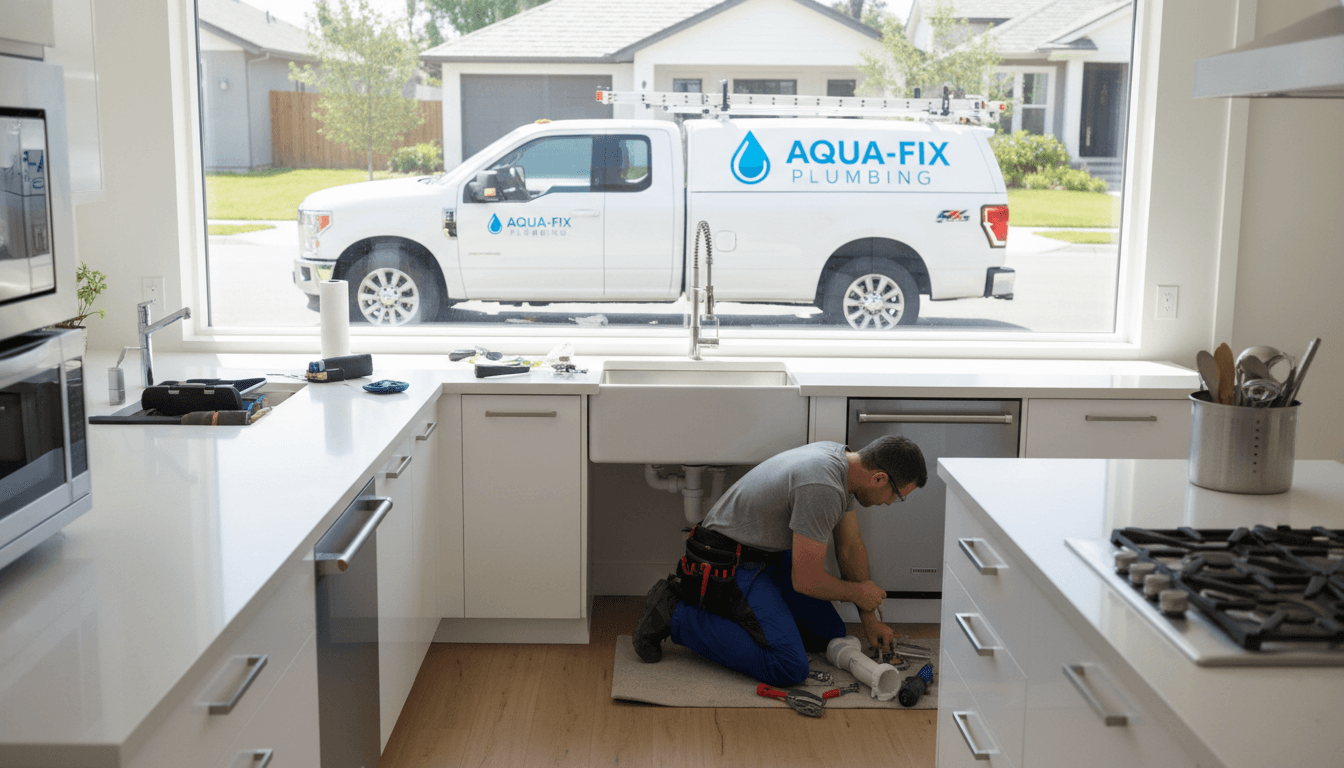
A plumbing inspection when buying a house identifies hidden leaks, outdated pipe materials, and water heater deficiencies to protect your investment. Professionals examine water pressure, drainage efficiency, and signs of water damage; this ensures the system is functional and helps you negotiate repairs before finalizing the sale.
Purchasing a home in Carbon County represents a significant investment, yet the excitement of a new property can quickly turn to frustration when hidden plumbing failures emerge after closing. Most standard home inspections offer a general overview of the property; however, they often overlook the complex subterranean systems and internal pipe conditions that lead to five figure repair bills. At Keiths Plumbing, we believe that due diligence requires a more technical approach to the systems behind your walls and beneath your foundation. This guide outlines exactly what you should look for before signing the contract. You will learn to identify regional red flags, understand the critical importance of sewer line scopes, and evaluate the longevity of major components like water heaters. By the end of this article, you will be equipped with a professional checklist to protect your investment and avoid the most expensive plumbing pitfalls common in our local market.
Why a Standard Home Inspection Might Miss Critical Plumbing Issues

A general home inspection is a standard part of the real estate process, but it rarely provides a complete picture of a property’s health. Most general inspectors operate as generalists; they verify that the toilets flush, the faucets turn on, and no major leaks are currently dripping under the sink. However, they lack the specialized diagnostic tools and deep technical knowledge required to identify systemic failures hidden within the walls or beneath the foundation.
When scheduling a plumbing inspection when buying a house, it is important to understand that a general inspector typically won't perform a sewer camera diagnostic or a static pressure test on the supply lines. In Carbon County, where many older residences feature original galvanized piping, this gap in service is significant. Galvanized steel often corrodes from the inside out. While the exterior of the pipe might look serviceable to a generalist, the interior diameter could be nearly closed off by rust, leading to poor water pressure and eventual catastrophic failure.
A licensed plumber evaluates the system for strict adherence to Utah plumbing code requirements, identifying illegal modifications or outdated venting that a standard home report might overlook. By opting for professional plumbing services during the due diligence period, you gain an expert assessment of the materials and methods used in the home. If you are currently under contract on a property, contact Keiths Plumbing to ensure you aren't inheriting a system destined for immediate and expensive repairs.
Carbon County Plumbing Red Flags for Homebuyers
Carbon County properties present specific challenges that vary by municipality, from the historic neighborhoods of Helper to the suburban layouts of Price and Wellington. One of the most pervasive local issues is the high mineral content in the water supply. Hard water leads to significant scale buildup inside water heaters and within fixture aerators. During a plumbing inspection when buying a house, you should look for white, chalky residue on showerheads and faucet bases. This scale often indicates that the internal heating elements of the water heater are encased in sediment, which forces the unit to work harder and significantly shortens its lifespan.
Our high desert climate also dictates specific plumbing needs. Carbon County winters are notoriously harsh, with temperatures frequently dropping well below zero. A major red flag in local crawlspaces is the absence of proper pipe insulation. If a property has exposed copper or PEX lines in an unconditioned space, the risk of a burst pipe during a January freeze is high. We evaluate these vulnerable areas to ensure the plumbing is thermally protected against the local environment.
The age of the local housing stock introduces material risks that can impact both safety and insurability. In older residences, it is vital to check for lead service lines or outdated polybutylene piping. Polybutylene, often identifiable by its grey plastic appearance, was widely used in the late 20th century but is now known for sudden, catastrophic failure due to internal degradation. Many insurance companies will refuse coverage or significantly increase premiums if this material is present. Identifying these issues early allows you to seek professional plumbing services to estimate replacement costs before finalizing the purchase. Ensuring the home meets current Utah plumbing code requirements is the only way to avoid inheriting these long term liabilities.
The Comprehensive Plumbing Inspection Checklist
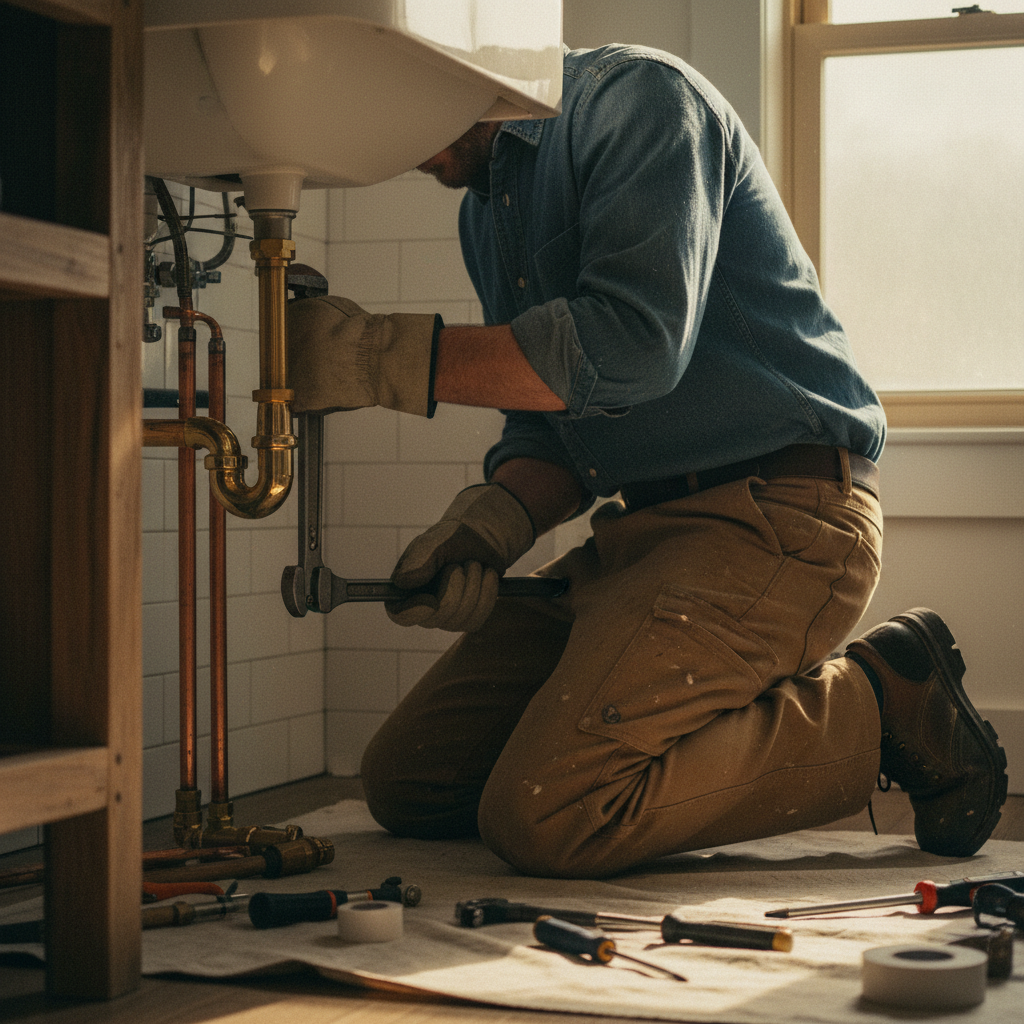
Identifying material risks is only the initial step in a professional assessment. A truly comprehensive plumbing inspection when buying a house involves a systematic evaluation of how the system performs under stress. At Keiths Plumbing, we move beyond a visual walkthrough to perform functional testing that reveals hidden defects in the home’s infrastructure.
Our specialized checklist focuses on these critical areas:
Water Supply Line Assessment: We identify every pipe material present, from the main entry point to the final fixture. In Carbon County, we specifically look for improper transitions between different metals. If a previous owner connected copper directly to galvanized steel without a dielectric union, electrolysis will cause the joint to fail prematurely. We inspect joints for green oxidation or white crusting, which are early indicators of slow, weep-style leaks.
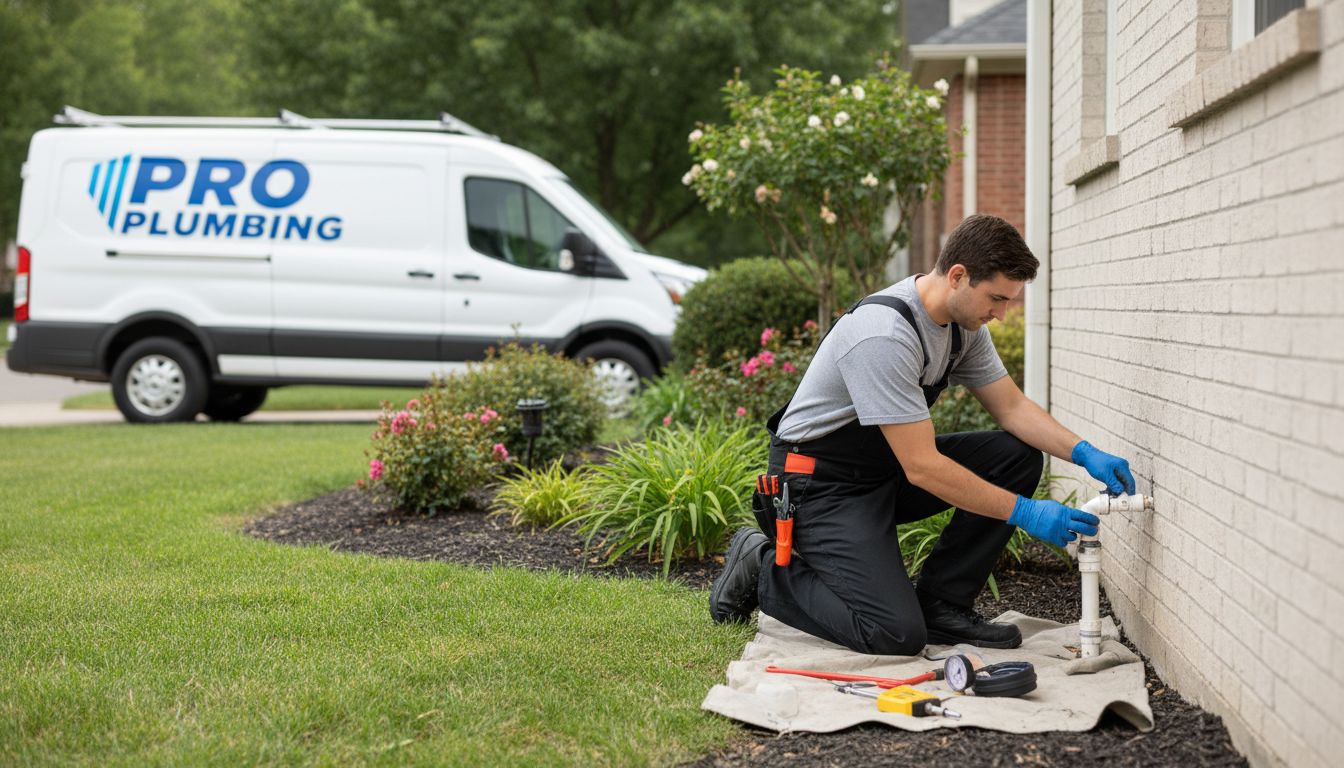
Static and Flow Pressure Testing: We attach a calibrated pressure gauge to the system to measure the incoming PSI (pounds per square inch). High water pressure, often exceeding 80 PSI, is a common but overlooked hazard that destroys toilet fill valves and shortens the life of water heaters. Conversely, low pressure tells us there is likely a significant obstruction or heavy mineral buildup inside the pipes.
Drainage and Slope Verification: We evaluate the waste lines by performing a simultaneous discharge test; running multiple faucets and flushing toilets at once. This monitors how the system handles a high volume of water. We look for slow drainage or gurgling sounds, which suggest improper venting or a lack of adequate slope in the horizontal runs located in the crawlspace or basement.
Fixture Performance and Stability: We check toilets for secure mounting to the floor and inspect the wax ring seal for signs of moisture. For tubs and sinks, we verify that the overflow drains are actually functional and connected, a detail frequently missed during quick renovations.
Inspection Component | Why It Matters | Detection Method |
|---|---|---|
Supply Integrity | Prevents sudden bursts | Visual joint analysis and material ID |
Pressure Test | Protects appliances | Calibrated gauge at hose bib or laundry |
Drainage Stress | Identifies main line clogs | Simultaneous multi-fixture discharge |
Venting Check | Prevents sewer gas entry | Airflow and trap seal monitoring |
By applying these professional plumbing services, we provide a clear picture of whether the system meets current Utah plumbing code requirements. If you are concerned about the hidden condition of a property’s pipes, contact Keiths Plumbing for a detailed evaluation before you sign the final closing documents.
Evaluating the Water Heater and Main Shutoff Valves
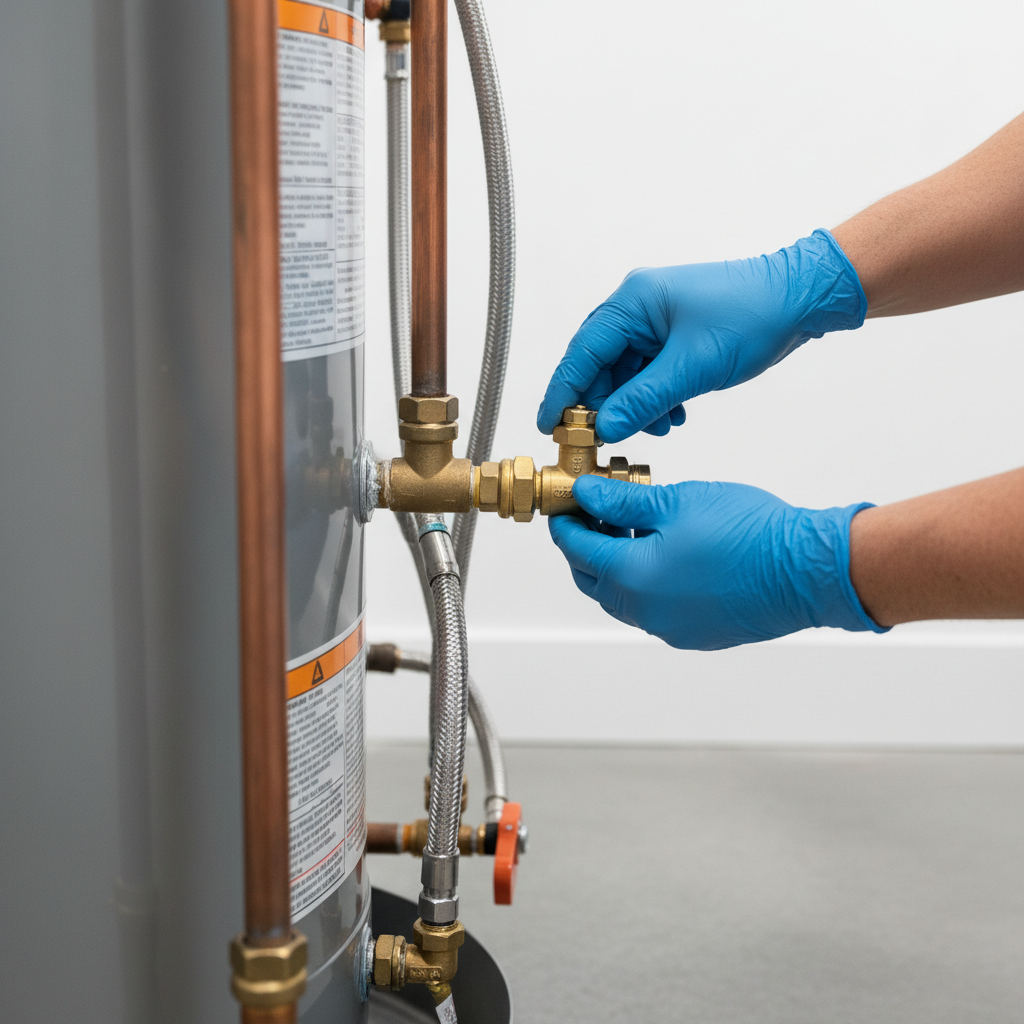
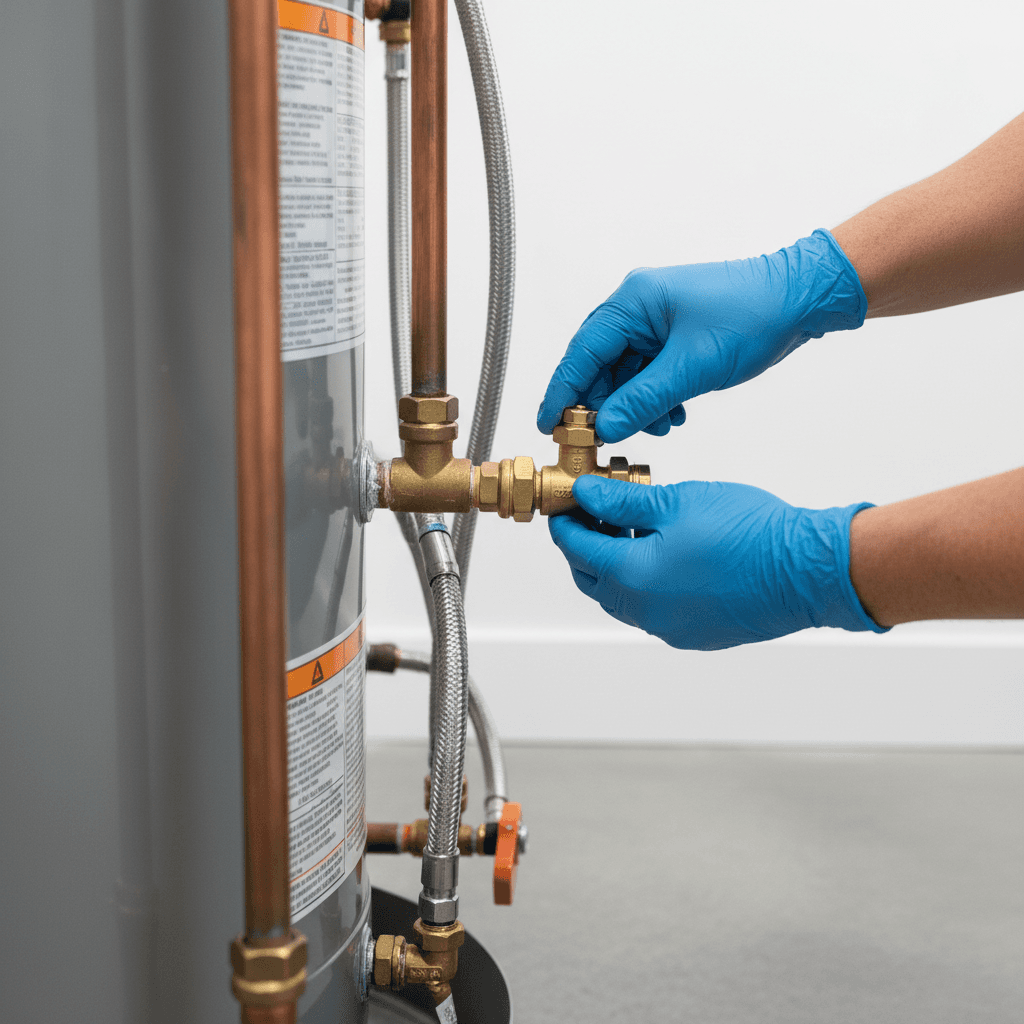
The water heater is often the most expensive individual component identified during a plumbing inspection when buying a house. In Carbon County, the high mineral content significantly accelerates internal tank degradation. We examine the manufacturer’s data plate to determine the unit's age, as most local heaters reach the end of their reliable service life within eight to ten years. Beyond age, we look for physical indicators of failure such as rust around the base, moisture in the burner chamber, or a weeping temperature and pressure (T&P) relief valve. If these safety components do not meet Utah plumbing code requirements, the unit presents a risk of both property damage and personal injury.
Equally critical is the main shutoff valve. Every homeowner needs the ability to isolate the water supply instantly. We frequently encounter older gate valves in Price and Helper that have seized due to mineral deposits or broken internal stems. A valve that won't turn, or one that continues to let water through when closed, turns a minor repair into a full scale flood. We recommend replacing these outdated handles with modern quarter turn ball valves for maximum reliability. If you are uncertain about the condition of these vital components, contact Keiths Plumbing to schedule a detailed assessment as part of your professional plumbing services.
Sewer Line Inspections: The Hidden Expense

While internal components like water heaters and valves are vital, the most significant financial risk is often buried out of sight. A standard home inspection typically stops at the building’s foundation, leaving the main sewer line completely unexamined. This oversight is why a sewer scope is the most critical add on when conducting a plumbing inspection when buying a house. In Carbon County, particularly in the established neighborhoods of Price and Helper, many properties still utilize original clay tile or Orangeburg piping.
Orangeburg, a bituminized fiber pipe, is essentially layers of wood pulp sealed with coal tar. Over decades, it is prone to deforming, bubbling, and eventually collapsing under soil pressure. Clay pipes, while durable, feature joints that are notorious for allowing tree root intrusion, which leads to frequent backups and pipe displacement. By utilizing a high resolution waterproof camera, we can identify these structural failures, bellies in the line, or significant blockages before you take ownership.
Investing in this diagnostic as part of your professional plumbing services ensures the waste system aligns with Utah plumbing code requirements. The relatively low cost of a camera inspection is a minor expense compared to the multi thousand dollar price tag of a main line excavation and replacement. To avoid a catastrophic sewer backup on your first week in a new home, contact Keiths Plumbing to perform a comprehensive sewer scope.
Understanding Plumbing Inspection Costs and ROI
Determining how much a full plumbing inspection costs depends on the specific scope of the evaluation, such as whether it includes a specialized sewer camera diagnostic. While local prices vary, this expense is a small fraction of the potential costs associated with a slab leak or a total sewer line collapse, which can easily exceed several thousand dollars in remediation and repair. Investing in professional plumbing services before closing provides a Return on Investment (ROI) that goes beyond simple peace of mind; it functions as a powerful negotiation tool during the real estate transaction.
If an inspection reveals that a system fails to meet Utah plumbing code requirements or identifies a water heater nearing the end of its life, you can use the detailed report to request a price reduction or ask the seller to complete necessary repairs. This proactive approach ensures that the plumbing inspection when buying a house pays for itself by preventing you from absorbing the cost of pre-existing failures. To protect your financial interests in Price or Helper, contact Keiths Plumbing for a detailed assessment of your potential new home.