Utah plumbing code requirements residential follow the 2021 International Plumbing Code and International Residential Code, specifically Chapters 25 through 33 for one- and two-family dwellings. These regulations mandate specific standards for drainpipe slope, proper fixture venting, and the installation of accessible cleanouts to ensure system safety and efficiency.
At Keiths Plumbing, we know that homeowners often find themselves overwhelmed by the intricacies of state and local regulations during a remodel or repair. Navigating Utah's residential plumbing codes is about more than just passing an inspection; it is about protecting your family's health and your property's long term value. Even a minor oversight in drainage or venting can lead to significant structural issues and expensive rework. This guide provides a clear roadmap for Carbon County residents, covering everything from the foundation of the state's plumbing standards to specific requirements for water heaters and backflow prevention. We will explore common code violations, the necessity of proper permitting, and how staying compliant safeguards your home investment for years to come.
Understanding the Foundation: What Plumbing Code Does Utah Use?

Utah's plumbing system standards are governed by a specific legal framework to ensure uniformity and safety across the state. Currently, the state follows the 2021 International Plumbing Code (IPC). A common question homeowners ask is whether Utah utilizes the Uniform Plumbing Code (UPC), which is prevalent in many other western states. It is important to clarify that Utah is strictly an IPC state. This distinction matters because the IPC and UPC have different requirements for pipe sizing, venting methods, and fixture clearances.
The 2021 IPC serves as the baseline for all work, but it is not the final word. Local contractors and homeowners must also account for Title 15A of the Utah Code, officially known as the State Construction and Fire Codes Act. This legislation contains specific statewide amendments that modify the IPC to better suit Utah's unique climate and infrastructure needs. These amendments are where the nuances of Utah plumbing code requirements residential work are found, ensuring that every project from a small sink replacement to a full renovation meets local legal standards.
Following these regulations is about protecting the health of the Carbon County community rather than navigating red tape. Proper code adherence prevents cross contamination of the public water supply and ensures that hazardous sewer gases remain outside the living space. We prioritize these standards in all our residential and commercial plumbing services to provide long term performance and safety. For homeowners in Price, Helper, or Wellington, understanding this foundation is the first step in maintaining a safe home. If you have questions about a specific project or need professional plumbing repairs, you can contact Keiths Plumbing for expert guidance.
The Most Common Utah Plumbing Code Requirements for Residential Projects
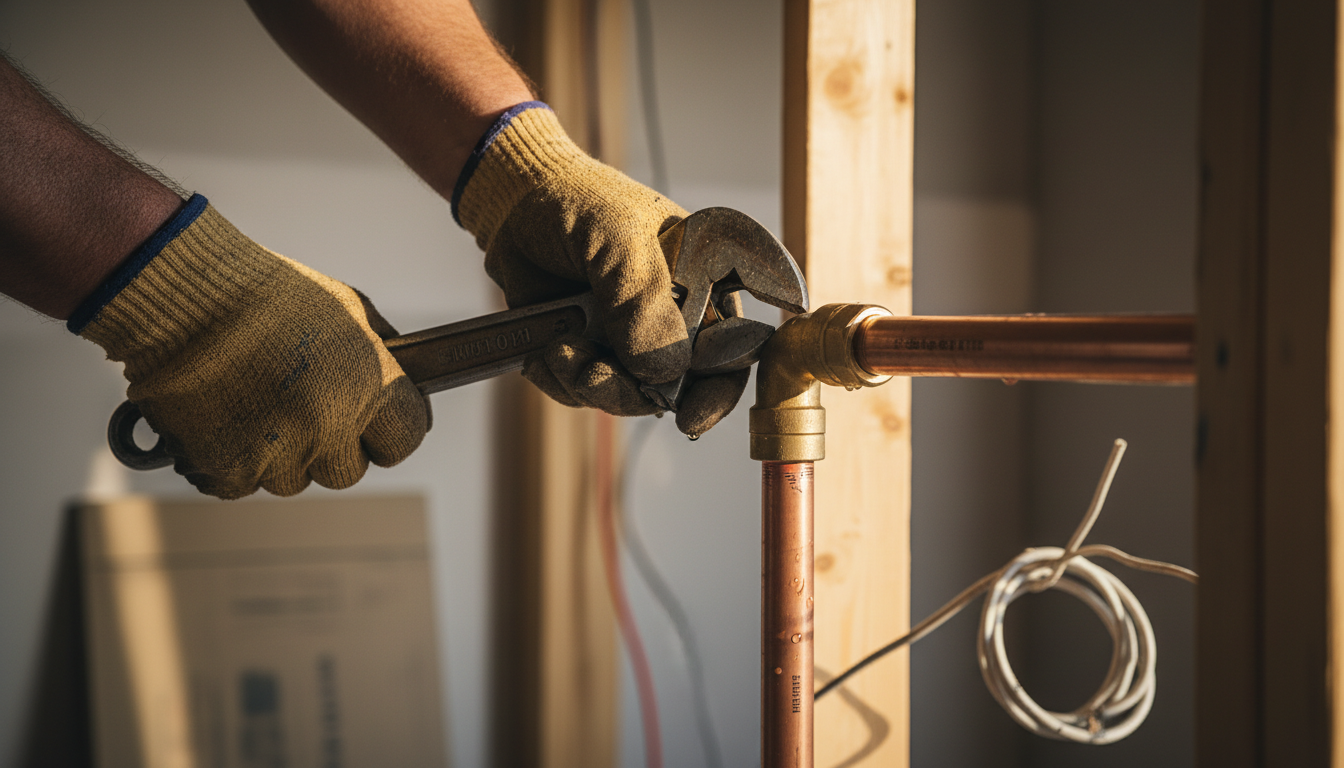
When tackling home improvements, small technical details in the Utah plumbing code requirements residential work determine whether a system functions or fails. One of the most critical rules involves the slope of horizontal drainage pipes. For pipes with a diameter of two inches or less, the code requires a minimum slope of 1/4 inch per foot of horizontal run. If the slope is too shallow, water moves too slowly to carry solids, leading to chronic clogs. Conversely, if the slope is too steep, the water may drain too quickly, leaving debris behind to dry and eventually block the pipe.
Another essential requirement involves traps and venting. Every fixture, from a kitchen sink to a bathtub, must have a trap to maintain a water seal that prevents sewer gases from entering your living space. Utah code specifically mandates P-traps and strictly prohibits S-traps. S-traps are considered outdated and illegal because their shape can create a siphon that sucks the water out of the trap entirely, leaving an open path for hazardous odors and gases to enter the home.
For these traps to function, every single one must be properly vented. Venting provides a path for air to enter the drainage system, equalizing pressure so that water flows smoothly. Without adequate venting, you may experience ghost flushing, where air pressure fluctuations pull water from a toilet or sink trap, or audible gurgling as the system struggles to breathe. These issues are more than just nuisances; they indicate a failure to meet safety standards. Ensuring these fundamental rules are followed is a key part of our residential and commercial plumbing services. If you are planning a renovation in Price or Helper and want to avoid these common pitfalls, professional plumbing repairs can ensure your system is both functional and legal. Proper installation from the start prevents the frustration of slow drains and the cost of fixing non-compliant work during a future home inspection.
Utah Specific Amendments: Water Heaters and Backflow Prevention
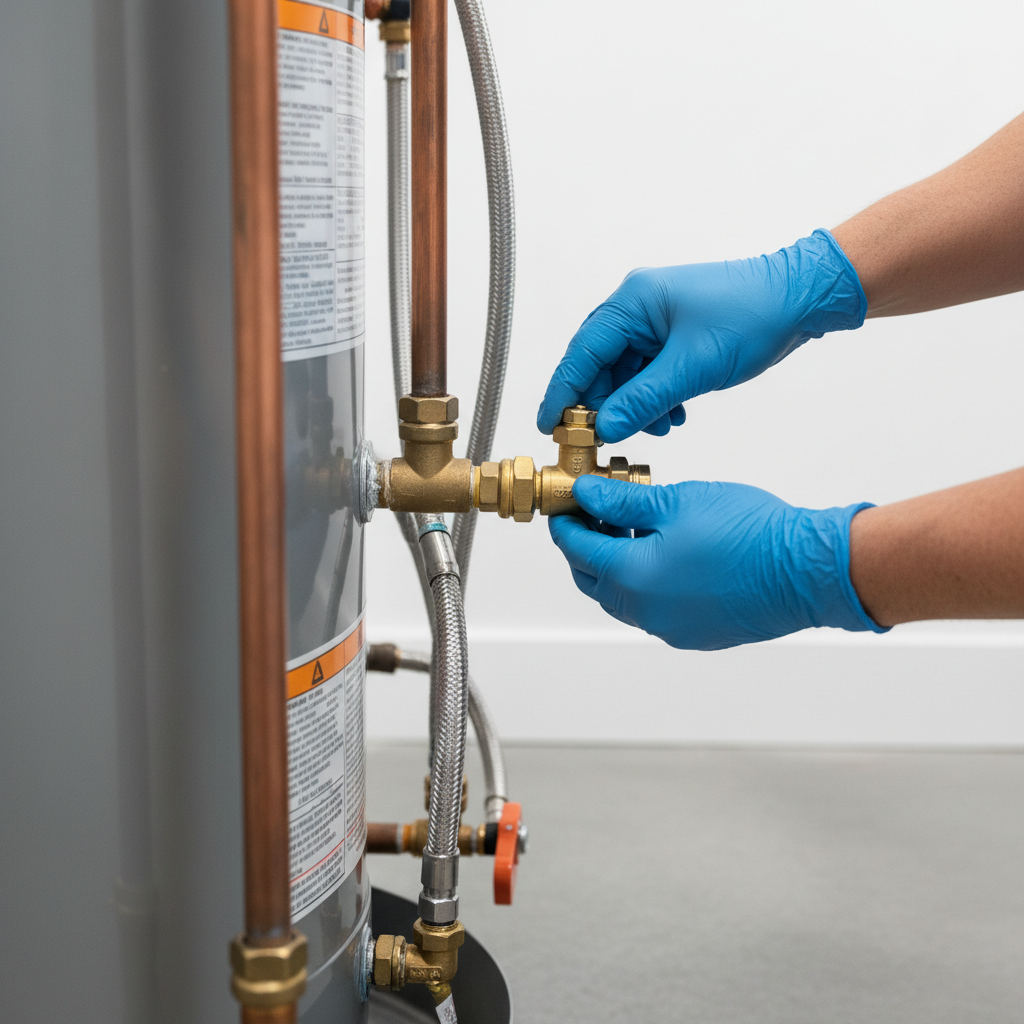
Utah's amendments to the IPC introduce specific rules for water heaters that reflect our regional infrastructure. One significant requirement involves thermal expansion. Because most municipal water systems in Carbon County function as closed systems, water has no place to expand as it heats up. This pressure can prematurely rupture a tank or cause the Temperature and Pressure (T&P) relief valve to leak. Utah plumbing code requirements residential standards dictate that an expansion tank must be installed on the cold water supply line to absorb this extra volume, protecting the water heater from stress.
Regarding the T&P relief valve itself, the discharge piping must follow strict guidelines to prevent injury or property damage. The pipe must be the same diameter as the valve outlet, constructed from approved materials like copper or CPVC, and must terminate with a proper air gap. It cannot be threaded at the end or trapped. This ensures that if the heater overpressurizes, the scalding water is safely diverted without creating a secondary hazard.
Backflow prevention is another area where Utah-specific standards are vital for protecting the public water supply. For outdoor irrigation or systems where backflow is a risk, the state frequently utilizes Pressure Vacuum Breakers (PVB). A common technical question involves the installation height of these devices. In Utah, a PVB must be installed at least 12 inches above the highest head or point of discharge on the downstream piping. This elevation is critical; it uses gravity and atmospheric pressure to ensure that non-potable water cannot be siphoned back into your clean water supply.
These local amendments are designed to handle Utah's unique geography and water chemistry. For those managing residential and commercial plumbing services in Price or Wellington, these details are the difference between a system that lasts and one that fails prematurely. If your current setup lacks an expansion tank or a correctly heighted PVB, professional plumbing repairs can bring your home up to standard. If you are uncertain about your current installation, you should contact Keiths Plumbing for a code compliance assessment.
Common Residential Plumbing Code Violations Found in Carbon County
Identifying common mistakes helps homeowners avoid the costly re-do that often follows a professional inspection. One frequent issue we see in Carbon County involves improper pipe materials, specifically regarding solvent cements. Many DIYers assume one glue fits all, but using PVC cement on CPVC pipes, or vice versa, leads to joint failure because the chemical bonding process is specific to the plastic. This is a clear violation of Utah plumbing code requirements residential standards and often results in slow, hidden leaks behind walls.
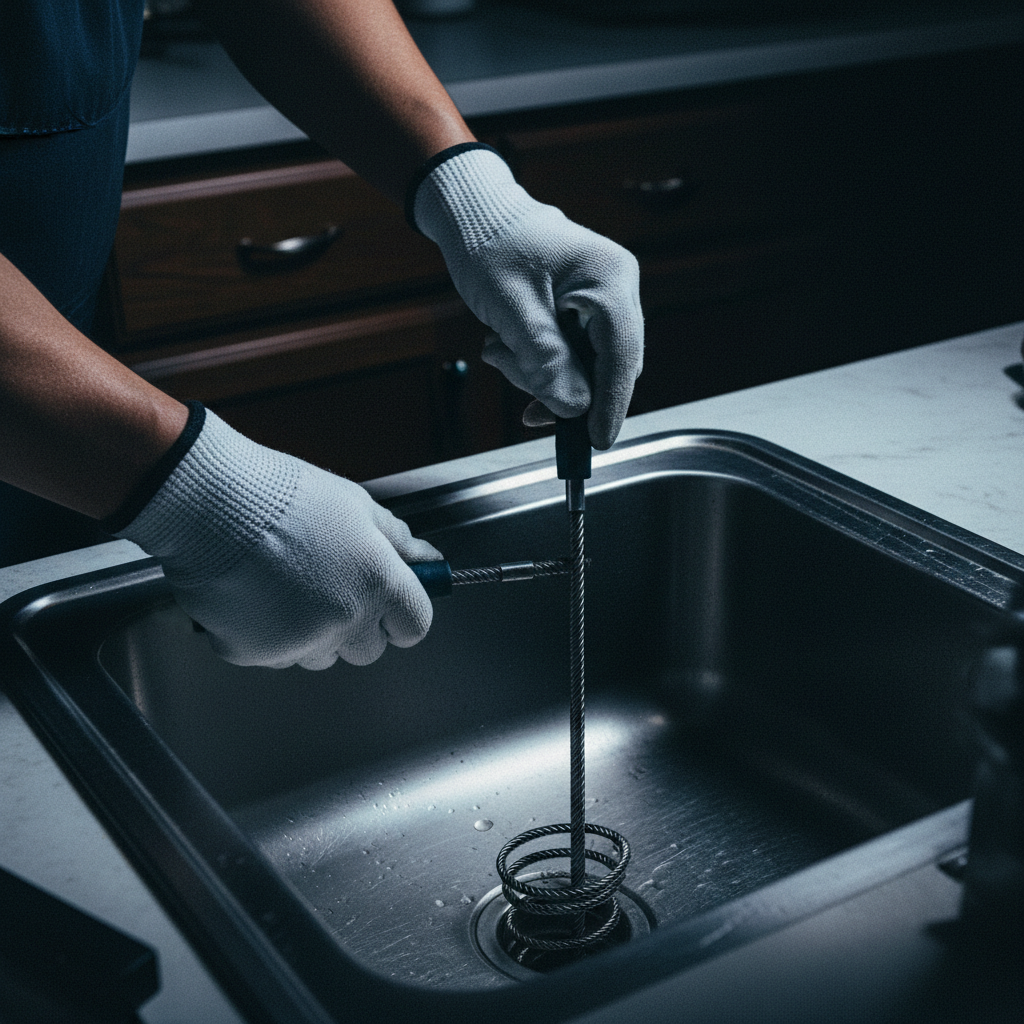
Another common error is the omission or concealment of cleanouts. Every drainage system must have accessible cleanout points to allow for clearing blockages. During bathroom or kitchen remodels, homeowners often accidentally wall over these access points, making future maintenance impossible without cutting into drywall. Other frequent violations include:
Incorrect Wet Venting: While the IPC allows for wet venting, it is often misunderstood. Each pipe must be sized correctly to handle both waste and airflow; connecting two fixtures to one vent without proper sizing calculations leads to siphoned traps.
Laundry Drainage Failures: There is often confusion regarding floor drains under washing machines. While modern washers have improved, code still requires a properly sized two inch standpipe to handle high volume discharge. Installing a laundry unit without a proper pan or emergency drainage setup is a major risk for flooding.
These errors usually stem from a lack of technical knowledge during a remodel. Utilizing professional plumbing repairs ensures that these nuances are handled correctly from the start. If you are planning a project and want to avoid these pitfalls, contact Keiths Plumbing to ensure your plans meet current standards. Ensuring your project adheres to residential and commercial plumbing services guidelines protects your investment and prevents hazardous conditions.
Permits and Licensing: Do You Need a Plumber for Every Job?
Utah law allows homeowners to perform plumbing work on their own primary residence, but this does not exempt the project from local oversight. While you may have the right to pick up a wrench, you are still legally bound to follow all Utah plumbing code requirements residential standards. Most significant changes, including adding new fixtures, relocating drain lines, or replacing a water heater, require a permit and a subsequent inspection from the local building department in Price or Carbon County.
Hiring a licensed professional from Keiths Plumbing provides a layer of security that DIY work often lacks. Licensed plumbers possess the specific training required to navigate Title 15A amendments and ensure every joint and vent is legal. This professional oversight is particularly vital for property managers and homeowners planning a future sale. During a home inspection, unpermitted or non-compliant work is a major red flag that can stall a closing or force expensive, late-stage retrofits.
Choosing professional plumbing repairs ensures that your home’s infrastructure is documented as code-compliant. This protects your investment and provides peace of mind that the system is safe for your family. If you are planning a renovation and need to ensure your plans meet state mandates, you should contact Keiths Plumbing for expert guidance. Our team provides residential and commercial plumbing services that prioritize long-term performance and legal compliance.
Why Code Compliance Matters for Your Home Value
Adhering to Utah plumbing code requirements residential standards is more than a legal obligation; it is a critical investment in your property’s equity. Most real estate transactions in Price and Carbon County involve a professional home inspection. When an inspector flags unpermitted work or technical violations, such as incorrect pipe slopes or missing backflow preventers, it often forces homeowners into expensive, last minute retrofits or results in a lower sale price. Buyers are increasingly wary of projects that might hide structural plumbing issues or future maintenance headaches.
Code compliance also serves as a vital safeguard for insurance claims. If a major leak or flood occurs, an insurance adjuster may deny coverage if the damage was caused by non-compliant DIY modifications. This risk makes professional plumbing repairs a necessary preventative measure. At Keiths Plumbing, our mission is to deliver dependable, long term performance through meticulous residential and commercial plumbing services. Ensuring your system meets every IPC amendment protects your home from sudden failures and protects your financial future. To verify your home is compliant before a sale or major renovation, you can contact Keiths Plumbing for a professional assessment.
Staying compliant with the Utah residential plumbing code ensures your Carbon County home remains safe, functional, and valuable. While understanding these regulations is a great first step, applying them correctly often requires specialized knowledge and precision. If you want expert help with your next installation or inspection, our team at Keiths Plumbing is here to guide you. Feel free to browse our comprehensive list of services to find the right solution for your home plumbing needs.