A garbage disposal not working is frequently the result of a tripped reset button, a power disconnect, or an internal jam. Homeowners can often fix these issues by pressing the red reset button located on the unit's base, checking the circuit breaker, or using an Allen wrench to manually clear debris. If the disposal hums but refuses to spin, ensure the power is disconnected before attempting to free any stuck blades.
A quiet evening in the kitchen can quickly turn into a messy ordeal when you flip the switch and hear nothing but a faint hum or, worse, complete silence. A malfunctioning garbage disposal is more than a minor inconvenience; it is a bottleneck that prevents you from cleaning up after a meal and can lead to unpleasant odors or water damage. At Keiths Plumbing, we understand that Carbon County homeowners need reliable solutions for these common appliance failures. This guide will walk you through the essential troubleshooting steps to diagnose electrical issues, clear mechanical jams, and resolve drainage backups. You will also learn the critical signs that indicate your unit is beyond a simple repair and requires a professional replacement. By understanding the common culprits behind a failing disposal, you can restore your kitchen to full functionality while avoiding costly plumbing emergencies in the future.
Troubleshooting a Garbage Disposal in Carbon County
Few things disrupt a kitchen routine faster than a sink full of stagnant water or a disposal that emits a dead silence when you flip the switch. It usually happens right in the middle of cleaning up after a large meal, leaving you with a messy problem that requires immediate attention. In Carbon County, we rely on these machines to handle daily food scraps, and while modern units are built to be rugged, they are not indestructible. The mineral content in our local water and the demands of a busy household can eventually take a toll on internal components.
When you find your garbage disposal not working, the problem typically stems from one of three areas: a complete electrical failure, a physical mechanical jam, or a standard plumbing clog in the waste line. Identifying which category your issue falls into is the first step toward a functional kitchen.
Navigating these issues requires a systematic approach to prevent further damage to the motor or the surrounding pipes. This guide focuses on safe, professional diagnostic steps designed to restore functionality while prioritizing the long-term performance of your appliances. If basic troubleshooting does not resolve the issue, seeking professional plumbing services ensures the repair or replacement is handled with the proper tools and code compliant methods.
Garbage Disposal Not Working with No Sound: Electrical Checks
When you flip the wall switch and hear nothing, not even a faint hum, the disposal is likely not receiving power. This is an electrical issue rather than a mechanical jam. Your first step should be the most obvious one: checking the power cord under the sink. It is common for trash bins or heavy cleaning supplies to shift during use, accidentally bumping the plug out of its outlet. Ensure the cord is firmly seated in the socket before moving to the next step.
If the cord is secure, look for the reset button. Most models feature a small, red button located on the bottom of the disposal housing. This button acts as a dedicated circuit breaker for the unit. It trips and pops out if the motor experiences an overload or begins to overheat, protecting the internal components from permanent damage. Press the button back in. If it stays in and you hear a click, try the wall switch again.
If the unit remains silent, the problem may lie at your main electrical panel. Carbon County homes, particularly those with older wiring systems, can experience tripped breakers due to local power surges or a circuit shared with other heavy appliances like dishwashers. Locate your breaker box and look for a switch that has moved to the center or off position. Flip it fully off, then back to on. If the disposal resumes working but trips the breaker again immediately, you are likely dealing with an internal short or a faulty circuit. In these cases, you should contact Keiths Plumbing to evaluate the electrical integrity of the unit or the dedicated line before attempting further use.
Garbage Disposal Humming but Not Spinning: How to Clear a Jam
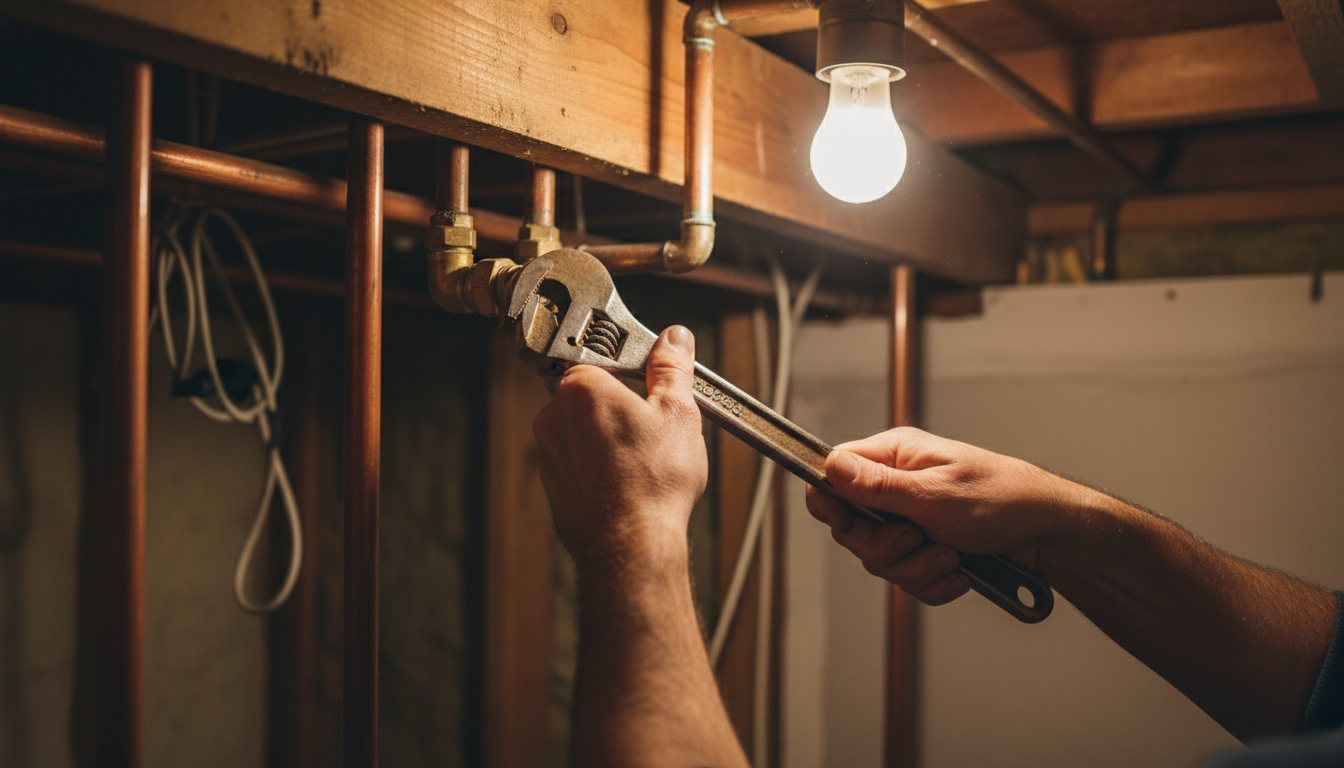
If the electrical checks pass but you hear a low humming sound when the switch is flipped, the motor is receiving power but remains physically restricted. This generally occurs when a foreign object, such as a fruit pit, a stray piece of bone, or even a small metal utensil, becomes wedged between the rotating grinding plate and the stationary shredder ring. When you encounter a garbage disposal not working in this specific way, it is critical to act quickly. A humming motor generates significant heat; if you notice a faint burning smell, the internal windings are beginning to overheat. You must shut the unit off immediately to prevent permanent motor failure.
Safety is the absolute priority during this process. Before attempting to clear a jam, turn off the wall switch and unplug the unit from the outlet under the sink to ensure it cannot accidentally engage. Never, under any circumstances, place your hands or fingers inside the disposal hopper.
To manually clear the jam, follow these steps:
Locate the hex-shaped hole in the center of the unit's bottom exterior housing.
Insert a 1/4 inch Allen wrench (hex key) into the hole. Many units come with this tool attached to the side or bottom, but any standard set will work.
Firmly rotate the wrench back and forth. This manually turns the flywheel to dislodge the obstruction. Once the flywheel moves freely in a full circle, the jam is likely cleared.
If your specific model lacks a bottom hex hole, you can use a wooden broomstick handle inserted through the sink drain. Use the handle as a lever against one of the impellers to force the plate to rotate.
Once the plate moves easily, you can remove your tools, restore power, and press the red reset button. If the flywheel remains seized despite these efforts, the obstruction may be wedged so deeply that it requires professional plumbing services to safely disassemble the unit. Attempting to force the motor further can lead to cracked seals or a total motor burnout, necessitating a full replacement.
Why is My Garbage Disposal Not Draining? Fixing Clogs and Backups
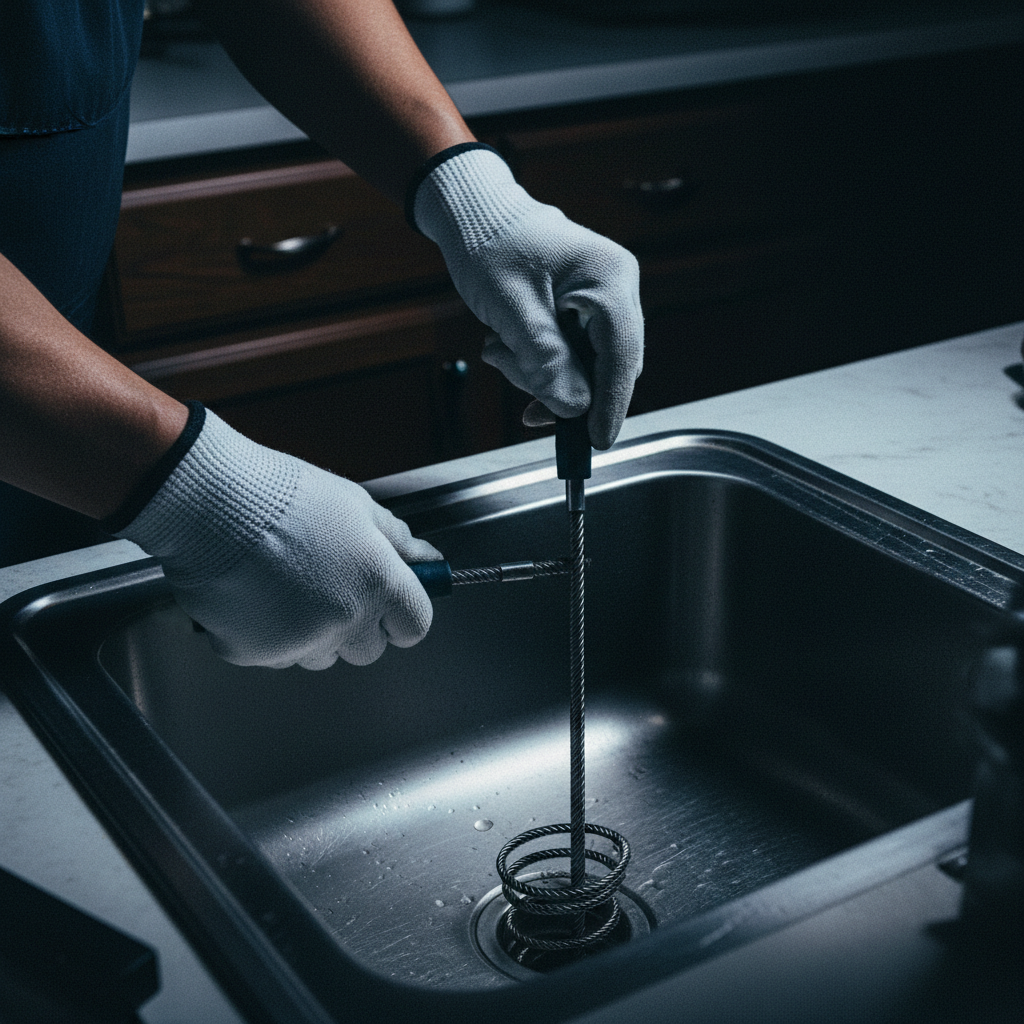
If the motor hums to life and the flywheel spins freely but the sink remains full of murky water, you are dealing with a drainage obstruction rather than a mechanical failure. A garbage disposal not working often refers to this frustrating backup where food waste and water have nowhere to go. This indicates that while the internal grinding components are functional, the waste line downstream is completely obstructed.
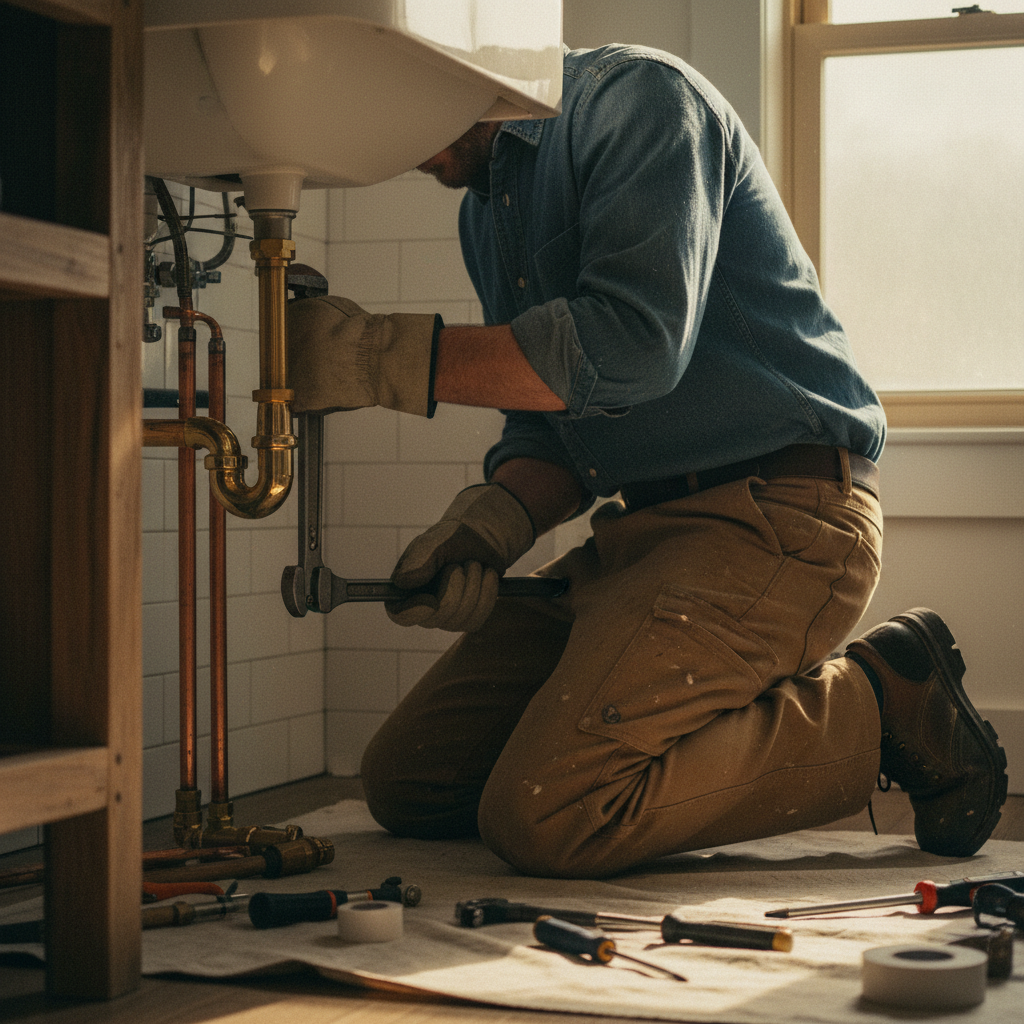
The most frequent culprit is the P-trap, which is the U-shaped pipe located directly beneath the disposal unit. In many Carbon County kitchens, heavy starch-based foods like potato peels, rice, and pasta are common staples. When these items are ground up without an adequate flow of water, they form a thick, glue-like paste that settles in the bottom of the P-trap and hardens over time. To inspect this, place a bucket under the pipes to catch any standing water. Carefully unscrew the slip nuts on either side of the P-trap and remove the pipe. If you find a dense plug of food waste, you can manually clear it and rinse the pipe in a separate basin before reassembling.
If the P-trap is clear but you still have a sink not draining, the blockage has moved into the branch line or the main waste pipe inside the wall. At this stage, standard household plungers are often ineffective because the pressure escapes through the other side of a double sink or the disposal vent. Clearing a deep line blockage requires a professional drain snake to reach the source of the obstruction. If your efforts at the trap do not restore flow, you should seek professional plumbing services to clear the line safely without damaging older PVC or galvanized pipes.
Carbon County Kitchen Tips: What Should Never Go Down a Garbage Disposal
Preventing a garbage disposal not working involves more than just mechanical care; it requires mindful usage of what enters the drain. Certain materials are notorious for causing immediate jams or long term pipe degradation and should never be processed by the unit.
Fats, Oils, and Grease (FOG): These may enter as liquids, but they quickly solidify inside the cool pipes, acting as a glue for other food waste.
Fibrous Vegetables: Corn husks, celery, and onion skins have long, tough strings that can tangle around the rotating impellers and seize the motor.
Coffee Grounds and Eggshells: Contrary to popular belief, these do not sharpen the blades. Instead, they break down into a heavy, sediment like grit that settles in the bottom of the P-trap and resists flushing.
Carbon County homeowners must also contend with the high mineral content characteristic of Utah water. Over time, hard water deposits create a rough, calcified lining inside your waste lines. This scale acts like sandpaper, giving grease and food particles a textured surface to cling to, which significantly increases the risk of a total blockage. To maintain clear lines, always operate the unit with a strong flow of cold water. Cold water keeps fats solid so they can be chopped and flushed away rather than melting and coating the pipes. Continue running the water for at least 15 seconds after the grinding noise stops to ensure the waste has cleared the P-trap entirely. If you have already experienced a backup due to these materials, professional plumbing services are the safest way to scour the lines and restore full flow.
When to Replace vs Repair Your Disposal
Even with diligent maintenance, every appliance reaches a point where further repairs are no longer cost-effective. The average lifespan of a standard garbage disposal is typically between 8 and 12 years. In Carbon County, the high mineral content in the local water can lead to internal corrosion, which may shorten this lifespan slightly. Identifying when a unit has moved from a simple fix to a necessary replacement saves you from the frustration of a garbage disposal not working when you need it most.
Certain symptoms indicate that the internal components have suffered catastrophic failure. If you notice any of the following, it is generally better to invest in a new unit:
Chronic Leaking: Water dripping from the bottom of the disposal housing suggests the internal seals or the metal body itself has corroded through. This cannot be patched safely and poses a direct risk to the electrical motor.
Persistent Electrical Smells: A sharp, ozone-like or burning odor indicates that the motor windings are scorched and failing.
Frequent Manual Resets: If the unit trips its internal breaker every single time you use it, even for light scraps, the motor is no longer capable of generating the torque required for standard operation.
Metal-on-Metal Noises: If the grinding plates have become loose or warped, they may rattle or screech, which often leads to a total mechanical seizure.
Modern disposal models offer significant advantages over units manufactured a decade ago. Newer installations are often much quieter due to improved sound insulation and utilize high-torque motors that consume less energy. When these signs of failure appear, seeking professional plumbing services to install a high-quality replacement ensures your kitchen remains functional and code-compliant. If you are unsure if your unit can be salvaged, you can contact Keiths Plumbing for an expert assessment of your system's integrity.