Effective frozen pipe prevention tips include keeping your thermostat set above 55 degrees both day and night and insulating all exposed outdoor faucets and pipes. Homeowners should also allow indoor faucets to drip at a slow trickle and open under-sink cabinet doors to ensure warm air reaches plumbing located along exterior walls.
Nothing disrupts a quiet Carbon County morning quite like turning on your tap only to find it bone dry; or worse, hearing the rhythmic spray of a burst pipe behind your drywall. When the Utah winter settles in, the drop in temperature is not just a comfort issue, it is a direct threat to your home's infrastructure. At Keiths Plumbing, we have seen how quickly a minor freeze can escalate into thousands of dollars in water damage. This comprehensive guide outlines the critical steps you must take to protect your property. We cover everything from securing outdoor faucets to specialized winterization for mobile homes and commercial spaces. You will also learn the safest methods to thaw existing blockages, along with the warning signs that indicate you need to call in a professional immediately.
Understanding the Risk: What Temperature Do Pipes Freeze in Utah?
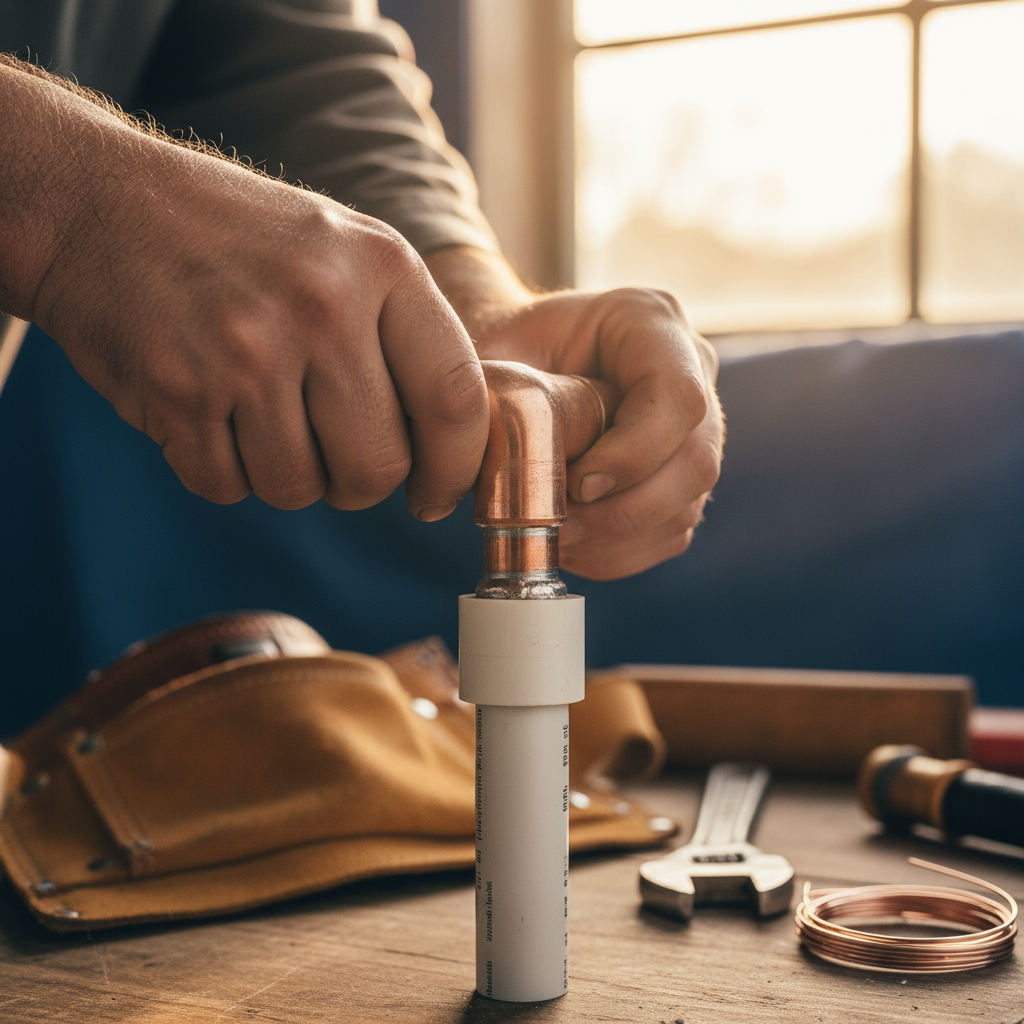
Residents of Carbon County know that high elevation winters bring sustained sub-zero temperatures that put residential and commercial plumbing systems to the test. While water technically freezes at 32 degrees Fahrenheit, pipes typically do not face an immediate threat of bursting until the outside temperature drops to 20 degrees or lower for several consecutive hours. This gap exists because the building structure and the residual heat within the wall cavities provide a temporary buffer against the cold.
The danger lies in the physical expansion of water. When water turns to ice, it expands by approximately nine percent. In a closed plumbing system, this expansion creates immense hydraulic pressure between the ice blockage and a closed faucet or valve. This pressure, rather than the ice itself, is what causes copper, PVC, or PEX lines to rupture.
Location dictates the level of risk. Pipes in conditioned spaces are generally safe as long as the thermostat is set correctly; however, lines in unconditioned crawlspaces, attics, or exterior walls are highly vulnerable. In the open landscapes around Price and Helper, wind chill significantly accelerates this process. High winds strip heat away from the building envelope and push frigid air into small gaps or cracks. This causes pipes to reach the freezing point much faster than they would in calm conditions. Understanding these environmental mechanics is the first step in effective frozen pipe prevention tips. Ensuring that your home meets Utah plumbing code requirements regarding pipe insulation and burial depth is essential for long term performance in our unique climate.
Outdoor Preparation: Securing Your Home Before the First Freeze
Preventative maintenance begins outside before the first hard freeze hits the Price River Valley. Effective frozen pipe prevention tips start with securing the building's exterior envelope to prevent cold air from reaching vulnerable copper or PEX lines. The most critical step is disconnecting every garden hose from your exterior spigots. Leaving a hose attached traps water inside the faucet body; when that water freezes and expands, it exerts enough pressure to rupture the pipe inside your wall. This is a leading cause of basement flooding because the break often occurs behind the drywall where it remains undetected until the thaw.
Follow this checklist to secure your exterior lines: - Disconnect and drain all garden hoses for winter storage. - Locate the interior shut-off valves for outdoor faucets, typically found in the basement or crawlspace, and turn them to the off position. - Open the outdoor faucet handle to allow any trapped water to drain out completely. If the interior valve has a small bleeder cap, open it to break the vacuum and release remaining moisture. - Install insulated foam faucet covers to provide a thermal barrier against extreme wind chill.
For property owners in Price and Helper, professional irrigation winterization is equally vital. Sprinkler lines and backflow preventers must be blown out with compressed air to prevent underground cracking. If you notice damp soil near your foundation or a spike in your water bill after the ground thaws, you may need professional leak detection to identify sub-surface damage caused by a failed winterization process.
Indoor Frozen Pipe Prevention Tips for Reliable Winter Performance
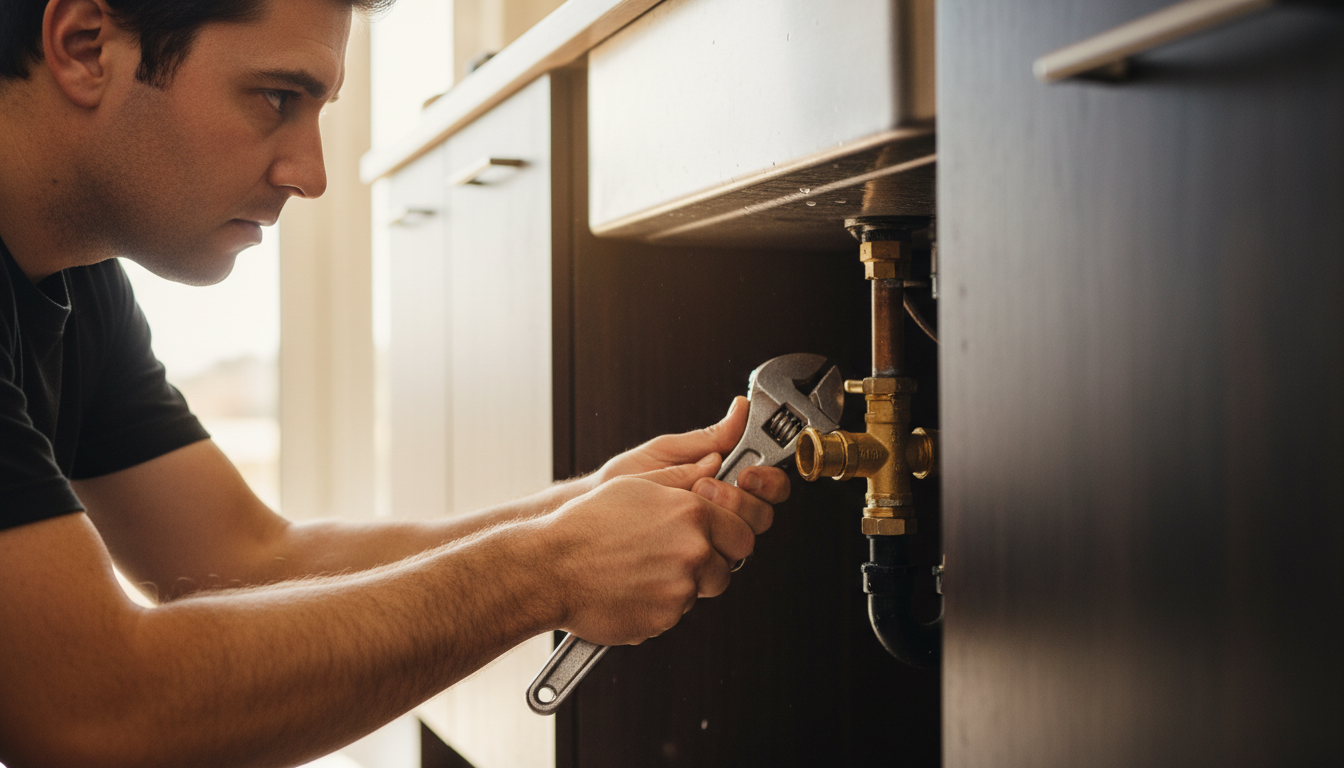
Once the exterior is secured, focus shifts to the interior plumbing, specifically lines located along exterior walls. These pipes are most vulnerable because they sit between your home's insulation and the freezing outside air. You can identify these by checking faucets in kitchens or bathrooms that share a wall with the outdoors. Even with proper insulation, the air inside these wall cavities can drop to dangerous levels if heat is blocked by cabinetry.
One of the simplest frozen pipe prevention tips is to open cabinet doors under sinks located on exterior walls. This allows the home's ambient warmth to circulate around the plumbing. Without this airflow, the cabinet acts as an insulator that keeps the heat out and the cold in, creating a micro-climate where temperatures can plummet far below the rest of the room.
Maintain consistent temperatures throughout the building to protect lines in crawlspaces and rim joists. Do not set your thermostat lower than 55 degrees Fahrenheit, even if you are leaving the property for several days. A significant drop in internal temperature, combined with Carbon County's sub-zero nights, can lead to rapid freezing in areas where the building envelope is thinnest.
For nights when the forecast predicts a deep freeze, utilize a slow drip of cold water. Select the faucet located furthest from where the main water line enters the home. The goal of this technique is not to keep the water moving to prevent freezing; instead, it provides a relief point for hydraulic pressure. If an ice blockage begins to form within the line, the open faucet allows the building pressure to escape, which significantly reduces the chance of a catastrophic rupture. If you suspect your plumbing system has underlying weaknesses or hidden moisture, professional leak detection can identify minor issues before they become major winter failures. Taking these interior precautions ensures your system remains functional and reliable throughout the coldest months.
Special Considerations for Carbon County Mobile Homes and Commercial Properties
In many parts of Carbon County, mobile and manufactured homes face unique vulnerabilities because their plumbing is often located in the open air beneath the floor. One of the most effective frozen pipe prevention tips for these homeowners is to inspect and test heat tape before the first frost. Heat tape has a limited lifespan; a failed heating element or a non-functioning thermal sensor can lead to a burst line overnight. Additionally, the skirting around the home acts as a critical windbreak. Any gaps or holes in the skirting allow cold air to tunnel under the structure, which can negate the effects of both heat tape and standard insulation.
Commercial property managers in Price must address a different set of risks. Mechanical rooms housing boilers or large-scale water meters should be monitored to ensure they remain at a stable, warm temperature. We frequently see failures in backflow prevention assemblies located on the building's exterior or in unheated enclosures. These devices are sensitive and must be protected with specialized insulated bags or small, monitored heaters to avoid expensive replacements. Regular Water Heater Maintenance for commercial units also ensures the system provides the consistent hot water needed for daily operations, which can indirectly help keep surrounding pipes from reaching the freezing point during sub-zero nights. If you manage an older commercial building with complex lines, checking for air leaks near the main service line is vital to maintaining long term performance.
How to Safely Thaw Frozen Water Pipes Fast
If these specialized preventative measures fail and you find yourself without water on a sub-zero morning, you must act quickly but safely to restore flow. The most critical rule for thawing a line is to never use an open flame, such as a propane torch or blowtorch. These tools pose a significant fire risk to the structure and can cause the pipe to burst violently by creating localized steam pressure that the system cannot vent.
Before applying any heat, open the faucet associated with the frozen pipe. This allows water to exit as the ice begins to melt and prevents pressure from building up within the line. Next, carefully inspect the pipe for visible cracks or bulges. If you see structural damage, do not attempt to thaw it yet; instead, shut off the main water valve immediately to prevent a flood once the ice liquefies. Effective frozen pipe prevention tips are useless once the pipe integrity is compromised, so containment becomes the priority.
To safely apply heat, use one of the following methods: - A handheld hairdryer set to medium heat, moved constantly back and forth across the frozen section. - An electric heating pad wrapped around the pipe. - A portable space heater positioned to blow warm air into the area, provided it is constantly monitored and kept away from flammable materials.
Work from the faucet side of the blockage toward the source. As water begins to trickle, the flow will help melt the remaining ice. If your efforts do not restore water within 30 to 45 minutes, or if the pipe is located behind a finished wall, you may have multiple blockages. At this stage, professional intervention is necessary to ensure repairs meet Utah plumbing code requirements and to avoid long term damage that could require extensive leak detection later.
Signs Your Pipes Have Already Burst and When to Call a Professional
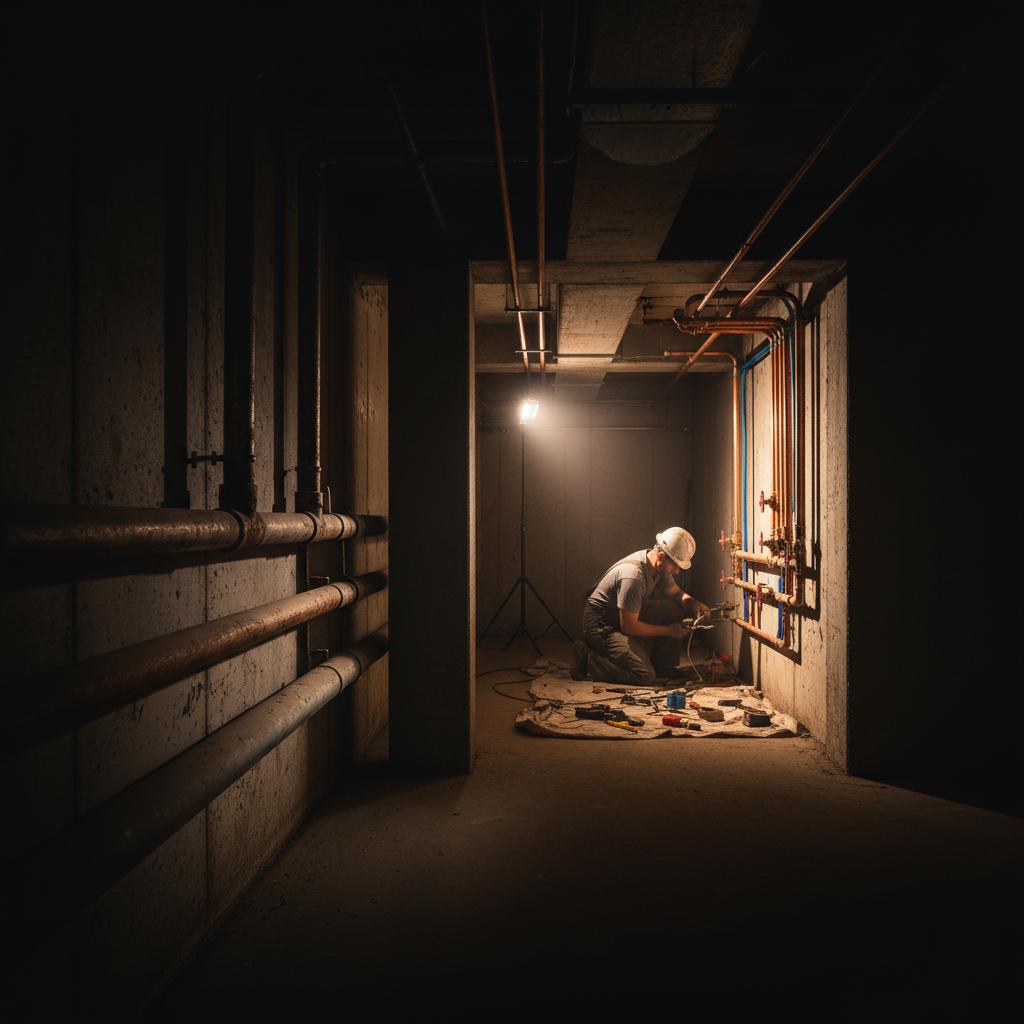
Thawing a pipe sometimes reveals the very damage you were trying to avoid. Recognizing the signs of a rupture early can prevent extensive property damage. Beyond the obvious loss of water pressure, look for physical deformities in exposed lines. A pipe that appears bulging, misshapen, or ovalized has undergone significant structural stress and is likely compromised. Even if you have diligently followed frozen pipe prevention tips, extreme sub-zero nights in Carbon County can still find a weak point in an older system.
You may also notice auditory symptoms like whistling, bubbling, or localized banging when other faucets are running, which often points to air entering a breached line. Visible damp spots on drywall or discolored patches on ceilings are immediate red flags that a pipe behind the wall has failed. In these scenarios, professional leak detection is necessary to pinpoint the exact location of the break without unnecessary demolition.
Once a pipe has burst, professional intervention is mandatory to ensure the repair meets Utah plumbing code requirements. While temporary patches might stop a drip, they rarely provide the long term performance needed for high pressure systems. Keiths Plumbing specializes in code-compliant restorations that prioritize the integrity of your entire plumbing network, ensuring your home remains safe and functional throughout the winter.
Protecting your pipes during a Carbon County winter is all about preparation and consistent care. By following these insulation and maintenance tips, you can significantly reduce the risk of costly water damage in your home. If you want expert help preparing your plumbing system for the cold, our team is ready to assist you. You can read more about our local expertise to see how we help our neighbors stay safe and dry through every freeze.