A toilet keeps running primarily due to a worn flapper, a faulty fill valve, or an improperly adjusted float that prevents the tank from stopping the refill process. Fixing these components is vital because a leak can waste up to 200 gallons of water per day and add hundreds of dollars to annual utility costs. Most homeowners can resolve the issue by replacing the rubber flapper or adjusting the water level settings within the tank.
That persistent, trickling sound coming from your bathroom is more than just a minor annoyance during the quiet hours of the night. It is the sound of hard earned money literally flushing away. For homeowners in Carbon County, a running toilet often signals the beginning of an expensive water bill or the gradual degradation of internal components due to our local mineral heavy water. Ignoring a phantom flush can lead to hundreds of gallons of wasted water every single day; however, most causes are straightforward to identify once you know where to look. In this guide, we will break down the primary reasons your toilet won't stop running, the true cost of delay, and how to determine if a simple DIY fix will suffice or if it is time to bring in a professional plumber to handle the job.
Understanding the Phantom Flush: Why Your Toilet Keeps Running
A running toilet is rarely just a background noise; it is a mechanical failure that demands professional attention. Most homeowners encounter one of two distinct scenarios. The first is a constant hiss or trickle, which often occurs because the toilet keeps running after tank is full. This usually indicates that water is continuously spilling into the overflow tube, either because the fill valve is faulty or the float is improperly adjusted, preventing the valve from shutting off completely.
The second, and often more baffling, issue is the phantom flush. This happens when the toilet suddenly begins refilling for a few seconds every few minutes, despite no one being in the room. A phantom flush occurs when water slowly leaks out of the tank and into the bowl, typically through a deteriorating flapper. Once the water level drops below a specific threshold, the fill valve triggers to replenish the tank, creating a cycle of waste.
While these sounds might seem like minor household quirks, they are clear indicators that internal components have reached the end of their service life. Ignoring these signals leads to unnecessary water waste and increased stress on your home's infrastructure. At Keiths Plumbing, we provide expert residential and commercial plumbing services to help Carbon County residents diagnose these mechanical failures before they escalate into larger property issues.
Top 5 Common Causes of a Running Toilet
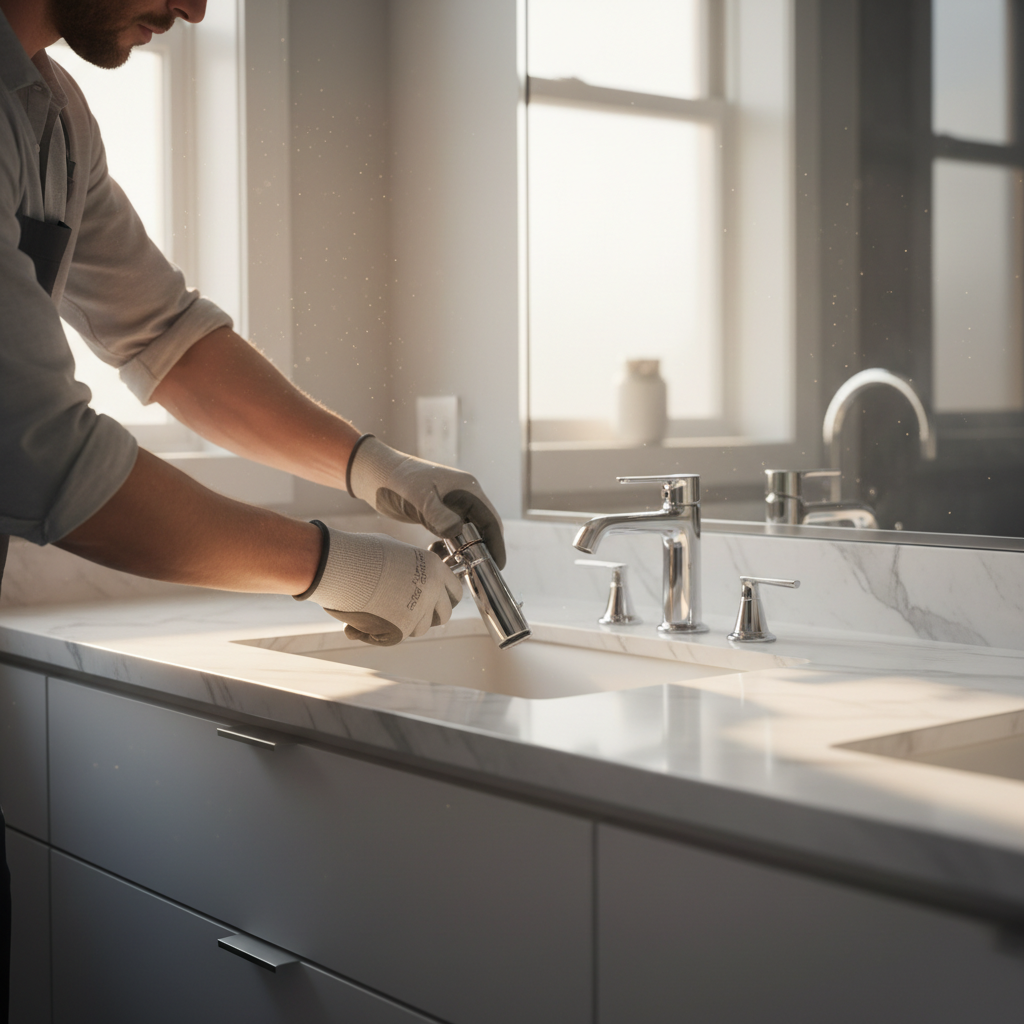
Identifying the specific mechanical failure requires a systematic inspection of the tank components. Most issues stem from one of five primary culprits, each presenting distinct symptoms that help narrow down the required repair.
Worn or Warped Flappers: This is the most common cause of a leaking tank. The flapper is the rubber disc that creates a seal over the flush valve. Over time, the rubber degrades, warps, or accumulates mineral deposits, preventing a watertight fit. If you notice a phantom flush or a slow, rhythmic trickle, the flapper is likely at fault. A toilet keeps running in this scenario because water is escaping into the bowl, forcing the fill valve to cycle on periodically to replace the lost volume.
Faulty Fill Valves: If you hear a constant, high pitched hissing sound between flushes, the fill valve is failing to shut off. Internal seals or the diaphragm within the valve assembly wear out, allowing a small stream of water to continue entering the tank. This is often an age related failure where the internal shutoff mechanism no longer responds to the pressure of the float.
Float Height Issues: The float, whether a ball on an arm or a sliding cylinder, dictates when the fill valve should stop. If the float is set too high, the water level will rise until it spills over the top of the overflow tube. You can confirm this visually by looking into the tank. If the water is level with the top of the open pipe in the center, the float needs adjustment or replacement.
Tangled or Long Lift Chains: When a toilet keeps running after flush until you jiggle the handle, the lift chain is usually to blame. A chain that is too long can get caught under the flapper, preventing it from sealing. Conversely, a chain that is too short will pull the flapper slightly upward, allowing water to bypass the seal constantly.
Damaged Overflow Tubes: The overflow tube serves as a safety mechanism to prevent tank floods. However, if this tube develops a crack below the water line, it will allow water to leak into the bowl continuously. This results in a persistent run that remains constant regardless of flapper or float adjustments.
Professional diagnosis from a team providing residential and commercial plumbing services can quickly isolate these issues, especially when mineral buildup complicates the moving parts. While these components are standard, their failure often signals broader water quality issues common in our region.
The Carbon County Factor: How Hard Water Shortens Toilet Life
Living in Carbon County introduces a specific environmental variable that standard plumbing guides often overlook: extreme water hardness. Local water quality reports indicate that hardness levels in our region typically range between 250 and 350 parts per million (ppm). To put that in perspective, any reading over 180 ppm is classified as "very hard." For homeowners, this means the water traveling through your pipes is heavily saturated with dissolved minerals, primarily calcium and magnesium.
These minerals are the primary reason a toilet keeps running despite the components looking relatively new. As water sits in the tank, these minerals precipitate out and form a crusty, white scale on the flush valve seat and the rubber flapper. This buildup creates a rough surface that prevents a watertight seal. Even a microscopic layer of grit allows water to seep into the bowl, triggering the fill valve to kick on every few minutes. In many cases, simply replacing the flapper is a temporary fix because the mineral deposits remaining on the porcelain or plastic seat will quickly degrade the new rubber.
Hard water also wreaks havoc on the delicate internal mechanics of the fill valve. Fine sediment and mineral scale can migrate into the valve's intake or clog the small diaphragm that regulates water flow. When this happens, the valve may fail to close completely, or it may stick in the open position. This leads to a situation where a toilet keeps running randomly even after you have spent time adjusting the float arm.
Frequent component failure is often a symptom of this broader water quality issue. While routine repairs are necessary, many local property owners find that Water Softener Installation and Hard Water Protection is the only way to extend the lifespan of these internal fixtures. Without addressing the mineral content, the cycle of phantom flushes and hissing valves will likely repeat every few months, leading to higher maintenance costs and significant water waste.
The Real Cost: How Much a Running Toilet Increases Your Water Bill
The mineral buildup discussed previously does more than just damage components; it creates a direct drain on your household budget. While a small trickle might seem insignificant, a toilet keeps running at a rate that can waste up to 200 gallons of water every single day. Over the course of a year, a single malfunctioning unit can account for more than 8,000 gallons of wasted water. This is not just a conservation issue, it is a significant financial burden for property owners in Utah.
Based on general Utah water rates and tiered pricing structures, a severe leak can easily add between $100 and $200 to your monthly utility bill. The primary danger lies in the subtlety of the mechanical failure. Unlike a burst pipe that causes immediate, visible flooding, a phantom flush or a silent fill valve leak happens behind the scenes. Many homeowners do not realize their toilet keeps running until they receive a surprisingly high bill at the end of the month. By then, the cost of the wasted water often exceeds the cost of a professional repair.
Leak Severity | Estimated Daily Waste (Gallons) | Potential Monthly Cost Increase |
|---|---|---|
Minor (Silent Trickle) | 30 - 60 | $25 - $50 |
Moderate (Phantom Flush) | 80 - 150 | $60 - $130 |
Severe (Constant Run) | 200+ | $150 - $200+ |
Investing in professional residential and commercial plumbing services to diagnose and repair these issues usually pays for itself within the first billing cycle of corrected water usage. If you notice a sudden spike in your utility costs, it is time to contact Keiths Plumbing to identify the source of the waste before another month of high bills passes. Prompt intervention prevents these small mechanical failures from turning into long term financial losses.
DIY Fixes: How to Stop the Run Yourself
Before calling for professional residential and commercial plumbing services, many homeowners can diagnose and resolve minor leaks using basic household tools. The first step is confirming where the water is escaping. Perform a food coloring test by placing 10 to 15 drops of dark dye into the tank after it has finished filling. Wait about 20 minutes without flushing. If the dye appears in the toilet bowl, you have a confirmed leak at the flapper or the flush valve seat.
Given the high mineral content in Carbon County water, a leaking flapper is often caused by scale rather than a broken part. Turn off the water supply at the wall, flush the toilet to empty the tank, and inspect the rubber flapper. If it looks slimy or gritty, clean the bottom of the flapper and the rim of the flush valve seat with a soft scouring pad or a cloth soaked in white vinegar. This removes the calcium deposits that prevent a watertight seal.
If the water level is visibly spilling into the overflow tube, you must adjust the float. For modern tower style valves, turn the adjustment screw on the side of the valve counter-clockwise to lower the float height. For older ball-and-arm styles, gently bend the metal arm downward. The water level should sit about one inch below the top of the overflow tube.
To fix a toilet fill valve that keeps running due to internal sediment, you can often flush the assembly. Shut off the water, remove the top cap of the fill valve by twisting it, and hold a cup over the open valve. Turn the water supply on partially for a few seconds to blow out any trapped grit. If these steps do not stop the noise, contact Keiths Plumbing to ensure a permanent, code-compliant repair.
When to Call a Professional for Toilet Repair in Carbon County

Sometimes basic adjustments do not resolve the issue. If the toilet keeps running but won't flush, or if the unit continues to cycle despite new parts, the problem may be a cracked flush valve seat or a deeper mechanical blockage. A critical red flag is a stuck or leaking shutoff valve at the wall. Attempting to force a corroded valve can lead to a burst pipe and immediate flooding, requiring an emergency response.
In Carbon County, professional intervention ensures your fixtures are installed to handle local water conditions. Keiths Plumbing provides residential and commercial plumbing services that go beyond temporary patches. We verify that every component meets current codes and can withstand high mineral saturation. Furthermore, if you notice water pooling around the base, the issue might involve a compromised wax ring. Ignoring a base leak while the toilet keeps running significantly increases the risk of structural floor damage and rot. If your repairs fail to hold, you should contact Keiths Plumbing for a definitive, expert solution.
A running toilet might seem like a small nuisance, but the wasted water can quickly drive up your monthly utility costs. Identifying the cause is the first step toward saving money and restoring peace to your Carbon County home. While many fixes are straightforward, some plumbing issues require a more precise approach to ensure lasting results. If you want expert help with your home maintenance, you can learn more about our team and how we serve the local community. We are here to help you keep your plumbing running smoothly.