Effective drain cleaning involves identifying early warning signs like slow drainage and using safe DIY methods such as baking soda, vinegar, or a manual snake to clear minor clogs. For persistent blockages caused by hair or grease, professional services provide a deeper solution to maintain a healthy plumbing system and prevent future damage.
Few things disrupt the daily flow of a Carbon County household like a slow drain or standing water in the shower. These minor inconveniences are often symptoms of deeper issues within your plumbing system, where grease, hair, and mineral buildup create stubborn obstructions over time. Ignoring these early warning signs can lead to significant water damage or unexpected pipe failure; however, not every fix requires a professional immediately. In this guide, we will explore the common causes behind local drainage problems and provide safe DIY methods to restore flow without damaging your pipes. You will learn the truth about popular myths like chemical cleaners, how to identify if your clog is actually a main sewer line emergency, and when advanced solutions like hydro jetting are necessary to protect your home.
Understanding Common Clog Culprits in Carbon County Homes
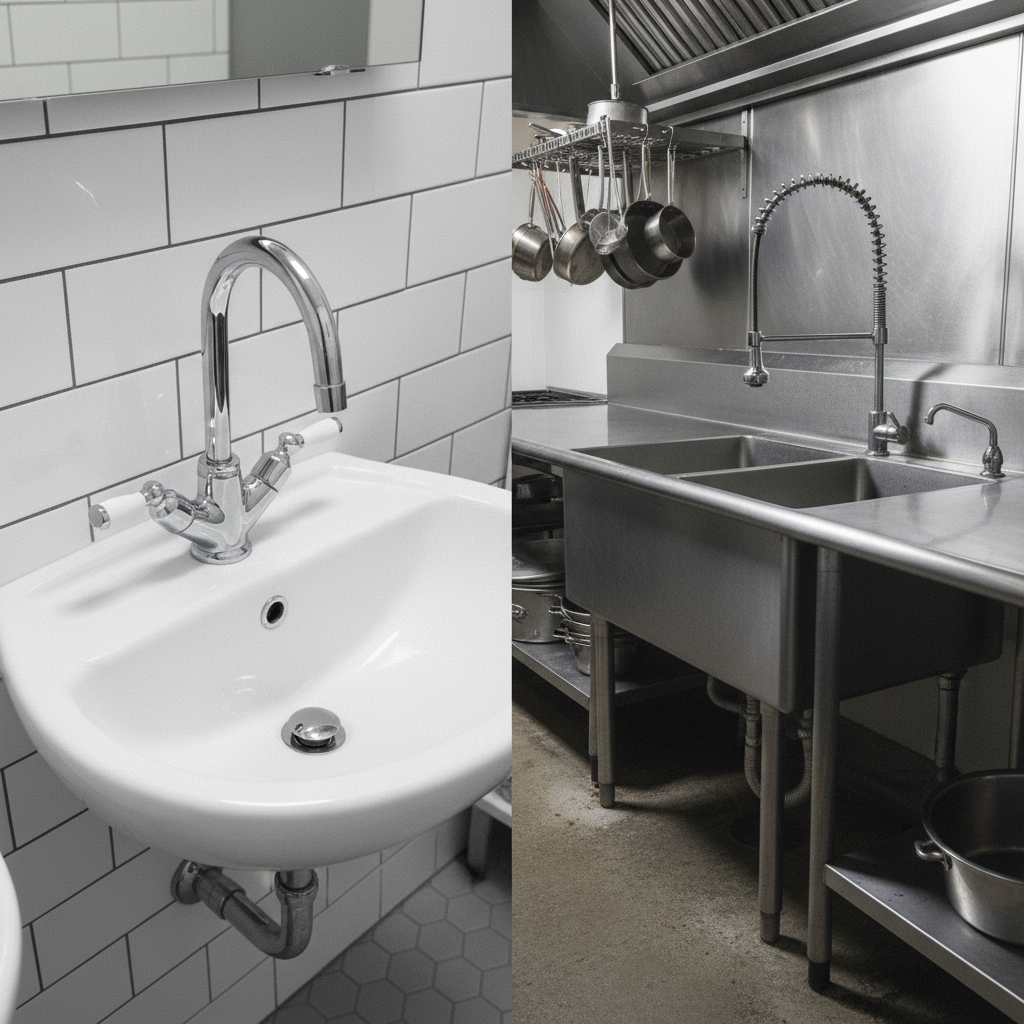
Identifying the source of a backup is the first step toward effective drain cleaning. In most Carbon County households, the culprits differ depending on the room. Kitchen drains typically fail due to the accumulation of fats, oils, and grease, often referred to as FOG. Even when rinsed with hot water, these substances eventually cool and solidify on the pipe walls, trapping food particles like coffee grounds or fibrous vegetable scraps. In contrast, bathroom clogs are almost always a combination of hair and soap scum. Soap scum acts as a sticky binder, catching loose hair and creating a dense, mat-like plug that resists simple rinsing.
Beyond these common materials, residents in our area must contend with the specific challenges of hard water. The water in Carbon County often carries high concentrations of dissolved minerals, particularly calcium and magnesium. Over time, these minerals precipitate out of the water and attach to the interior of your pipes, forming a hard, crusty layer known as scale. This mineral buildup effectively narrows the diameter of the pipe. A drain that originally had a two inch opening may be restricted to an inch or less, meaning even a small amount of hair or debris can trigger a total stoppage.
Local infrastructure adds another layer of complexity. Many older homes in the region still rely on original galvanized steel pipes. Unlike modern PVC, galvanized pipes are prone to internal corrosion. As they age, the inside of the pipe becomes rough and jagged. This pitted surface provides the perfect anchor for grease and hair to snag, accelerating the clog process. If you find yourself struggling with recurring backups despite careful use, it may be time to seek professional plumbing services to assess the condition of these aging lines. For a thorough inspection of your home's unique pipe configuration, you can contact Keiths Plumbing to ensure your system meets modern standards for flow and performance.
Safe DIY Methods to Unclog Your Shower or Sink Drain
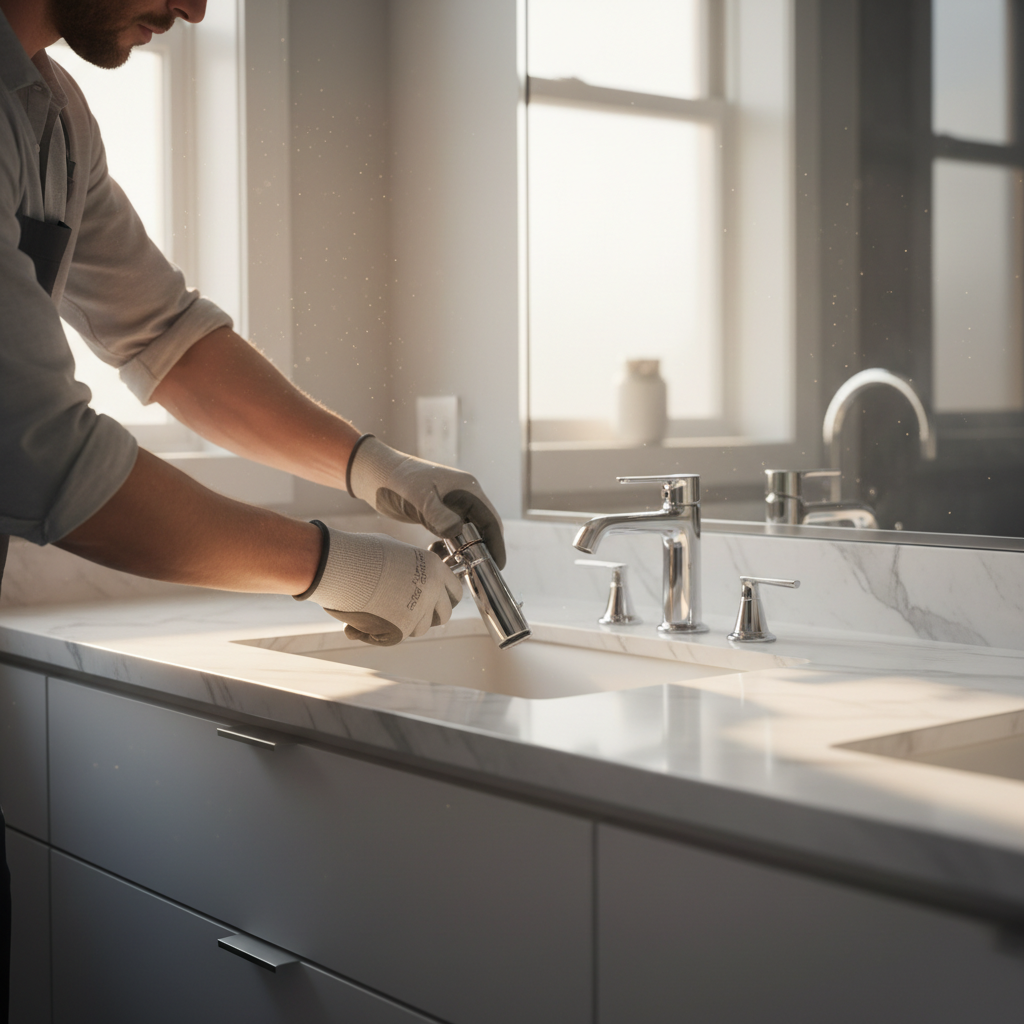
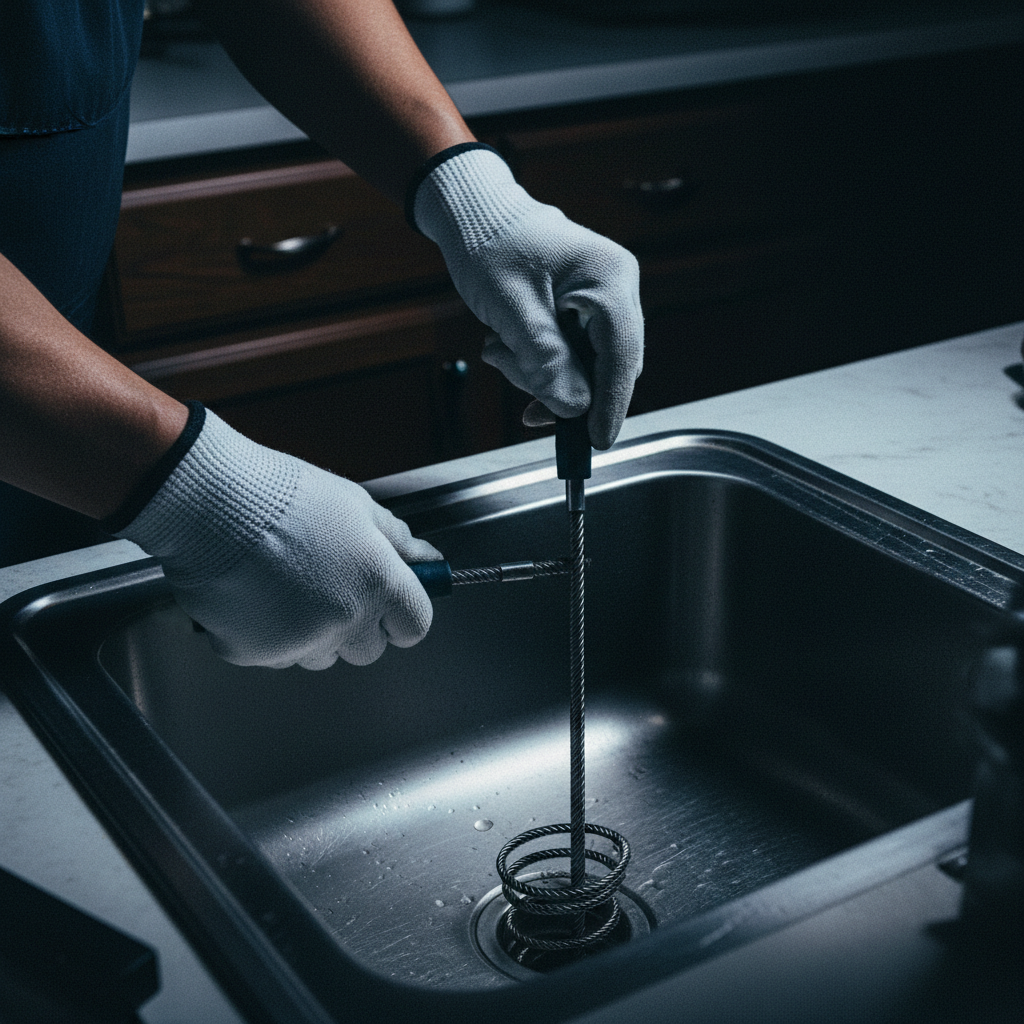
Before attempting any mechanical drain cleaning, prioritize safety by wearing thick rubber gloves and eye protection to prevent contact with bacteria or unexpected backsplash. If you are dealing with a slow-moving bathroom drain, the most effective DIY solution is usually manual removal. A 'zip-it' tool, which is a thin strip of plastic with upward-facing barbs, is ideal for pulling out the dense hair clogs that congregate near the pop-up stopper or crosshairs. If you do not have one, a wire coat hanger with a small hook bent into the end can serve a similar purpose. Carefully thread the tool into the drain, twist, and pull upward to extract the debris.
For deeper blockages, plunging remains a reliable method, but you must use the correct tool for the specific fixture. A cup plunger, which has a simple dome shape, is designed for flat surfaces like kitchen sinks, bathroom basins, and bathtubs. To get a proper seal, ensure there is enough water in the basin to cover the bell of the plunger. In contrast, a flange plunger features an extended rubber flap at the bottom. This flap is specifically designed to fit snugly into the throat of a toilet bowl, providing the necessary suction that a flat cup plunger cannot achieve.
A hot water flush can sometimes dislodge minor grease buildup in kitchen lines. Run hot tap water for several minutes to soften fatty deposits. Avoid using boiling water directly from a kettle, especially if your home has been updated with PVC pipes. Boiling water can reach temperatures high enough to soften the plastic or weaken the solvent weld joints, leading to leaks behind your walls. If these manual efforts do not restore flow, the issue may require professional plumbing services to clear the line safely without damaging your infrastructure. If you suspect a deeper blockage, you can contact Keiths Plumbing for a professional assessment.
The Baking Soda and Vinegar Myth: Does It Actually Work?
While manual tools provide a physical solution, many homeowners turn to the popular home remedy of baking soda and vinegar. It is a common question: Why should you never use baking soda and vinegar to unclog a drain? The answer lies in basic chemistry. The impressive fizzing reaction you see in the basin is simply the production of carbon dioxide gas. Once the bubbling stops, you are left with a solution of water and sodium acetate, which is essentially diluted salt water.
This mixture lacks the surfactant power required to dissolve the fatty acid chains in kitchen grease. Furthermore, because the drain is an open system, the gas escapes upward rather than creating the mechanical pressure needed to push a solid obstruction through the pipe. For effective drain cleaning, a solution must either chemically break down the debris or physically displace it; this mixture does neither.
Repeatedly pouring these acidic or abrasive mixtures down your pipes can also have unintended consequences. In the older homes found throughout Carbon County, the seals and gaskets in your plumbing assembly may already be brittle. The recurring exposure to these DIY chemical reactions can accelerate the degradation of these components, potentially leading to leaks. If a clog persists after manual attempts, relying on professional plumbing services is a safer way to protect your home's integrity. For persistent issues, you can contact Keiths Plumbing to ensure a lasting solution.
Why You Should Avoid Chemical Drain Cleaners
Store-bought chemical cleaners are often marketed as a quick fix, but these products carry significant risks for your plumbing and your safety. Most of these liquids rely on caustic ingredients like sodium hydroxide or sulfuric acid. When these chemicals encounter a clog, they create an intense exothermic reaction, which is essentially a burst of heat intended to melt grease or hair. In the PVC pipes common in many modern Carbon County renovations, this heat can be sufficient to soften the plastic or warp the joints, leading to structural leaks within your walls or floors.
For older homes featuring original galvanized or cast iron pipes, the primary danger is accelerated chemical corrosion. These caustic agents eat away at the metal as they sit in the line, worsening the thinning and pitting of the pipe walls. Perhaps most importantly, if the cleaner fails to clear the obstruction, you are left with a sink or tub full of highly toxic, stagnant liquid.
This creates a hazardous environment for anyone performing professional plumbing services. A technician cannot safely clear a line manually if it is filled with corrosive acid that risks causing severe chemical burns upon contact or splashing. To avoid these hazards and protect your property, it is best to contact Keiths Plumbing for safe, mechanical drain cleaning methods that preserve the integrity of your system without the use of harsh pollutants.
Signs Your Drain Clog Is Actually a Main Sewer Line Problem
When individual fixtures fail to drain, the issue is usually isolated. However, if you notice several fixtures backing up simultaneously, you are likely dealing with main sewer line clog symptoms. A clear red flag is a displacement reaction in one fixture when using another. For example, if you flush the toilet and water gurgles in the shower, or if running the bathroom sink causes air bubbles to rise in the toilet bowl, the blockage is located in the primary exit line for the building rather than a single branch.
For residents in Carbon County, especially in older neighborhoods with established landscaping, tree root intrusion is a frequent culprit. Roots are naturally drawn to the moisture and warmth within sewer lines. They can enter through tiny cracks or joints in clay or older metal pipes, eventually creating a dense internal web that catches debris. This type of obstruction is structural; it cannot be cleared with a standard plunger or basic hand snake. Because the blockage is downstream of all your fixtures, any water used in the home has nowhere to go but back up through the lowest drains.
You should also watch for outdoor signs, such as patches of unusually green, lush grass or a distinct sewage smell in your yard. These indicators suggest the main line is not just clogged but potentially leaking or collapsed. In these cases, standard professional plumbing services may transition into sewer line repair to address the damaged pipe section. Because these deep-seated blockages can lead to significant property damage, you should contact Keiths Plumbing for a comprehensive inspection the moment you notice erratic drainage behavior across multiple rooms.
Professional Drain Cleaning: Hydro Jetting vs. Snaking

When DIY methods and basic plungers fail, professional intervention becomes necessary to restore the integrity of your system. Plumbers typically utilize two primary methods for advanced drain cleaning: mechanical snaking and hydro-jetting. A drain snake, or motorized auger, uses a flexible steel cable to reach deep into the plumbing. It is highly effective at piercing through solid obstructions, such as a localized hair mass or a foreign object, by breaking the clog apart or pulling it out. However, a snake generally only clears a path as wide as the auger head, often leaving residue behind on the pipe walls.
Hydro-jetting offers a more comprehensive solution, particularly for the mineral scale common in Carbon County. This process uses a specialized nozzle to blast water at pressures up to 4,000 PSI, effectively scrubbing the interior surfaces of the pipe. While a snake clears a hole, hydro-jetting restores the pipe to nearly its original diameter by scouring away grease, soap scum, and the stubborn calcium deposits left by hard water.
Feature | Drain Snaking (Auger) | Hydro-Jetting |
|---|---|---|
Primary Use | Breaking up solid clogs | Deep cleaning pipe walls |
Effectiveness | High for immediate blockages | High for long-term maintenance |
Waste Removal | Punches through or pulls out debris | Flushes out grease and scale |
Pipe Safety | Safe for most older pipes | Best for structurally sound pipes |
Before starting, a technician will often use a high-definition sewer camera to inspect the line. This diagnostic step identifies the exact location of the problem, whether it is a simple blockage or a case requiring sewer line repair due to root damage. Utilizing these advanced professional plumbing services ensures that the treatment matches the specific needs of your infrastructure. If your home experiences chronic slow drains, you can contact Keiths Plumbing to schedule a professional assessment and clear your lines for good.
Maintaining clear drains in Carbon County starts with consistent care and catching small issues before they escalate. While home remedies can handle basic blockages, deeper clogs often require a more specialized approach to protect your plumbing system. If you want expert help ensuring your home remains functional and safe, our team provides the reliable support you need. You can learn more about our background and values to see how we serve the local area. We are here to help whenever you need a professional hand.